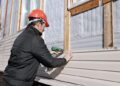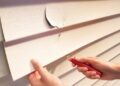

Embark on a journey into the realm of custom vinyl siding installation, where innovation meets functionality to transform your home. Discover the elegance and durability that custom vinyl siding brings, setting it apart from conventional options.
Learn about the intricate details of selecting, preparing, and installing custom vinyl siding to elevate the aesthetic appeal and value of your property.
Introduction to Custom Vinyl Siding Installation
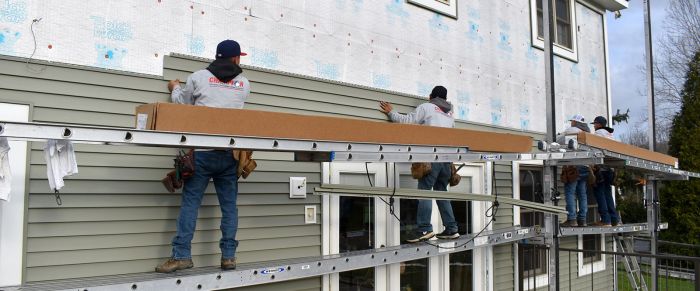
Custom vinyl siding is a type of exterior cladding made from PVC resin that is specifically tailored to fit the unique dimensions and design preferences of a home. Unlike standard vinyl siding, custom vinyl siding offers a more personalized and precise look that can enhance the overall aesthetic appeal of a property.
Benefits of Choosing Custom Vinyl Siding
- Customization: Custom vinyl siding allows homeowners to choose from a wide range of colors, textures, and profiles to create a look that matches their style and complements the architecture of their home.
- Durability: Custom vinyl siding is engineered to withstand harsh weather conditions, resist fading, and require minimal maintenance, providing long-lasting protection for the exterior of a home.
- Energy Efficiency: By improving insulation and reducing air leakage, custom vinyl siding can help lower energy costs and create a more comfortable indoor environment.
Importance of Professional Installation
While custom vinyl siding offers numerous benefits, ensuring proper installation is crucial to maximize its performance and longevity. Professional installers have the expertise, tools, and experience to accurately measure, cut, and secure custom vinyl siding, ensuring a seamless and durable finish that enhances the curb appeal and value of a home.
Choosing the Right Vinyl Siding
When selecting custom vinyl siding for your home, there are several key factors to consider to ensure you make the best choice. From styles and colors to durability, each aspect plays a crucial role in the overall appearance and performance of your siding.
Styles, Colors, and Textures
When it comes to custom vinyl siding, you have a wide range of options to choose from. Different styles such as traditional lap siding, vertical panels, shakes, and scallops allow you to achieve the desired look for your home. Additionally, there is a vast array of colors available, ranging from classic neutrals to bold and vibrant hues.
Textures can also vary, with options like smooth, wood grain, and brushed finishes to add depth and character to your siding.
Durability Comparison
Custom vinyl siding is known for its durability and low maintenance requirements. Compared to other siding materials like wood, vinyl is resistant to rotting, warping, and insect damage. It is also highly durable in extreme weather conditions, making it a long-lasting choice for your home.
Additionally, vinyl siding does not require painting, sealing, or staining, saving you time and money on upkeep over the years.
Preparation for Installation
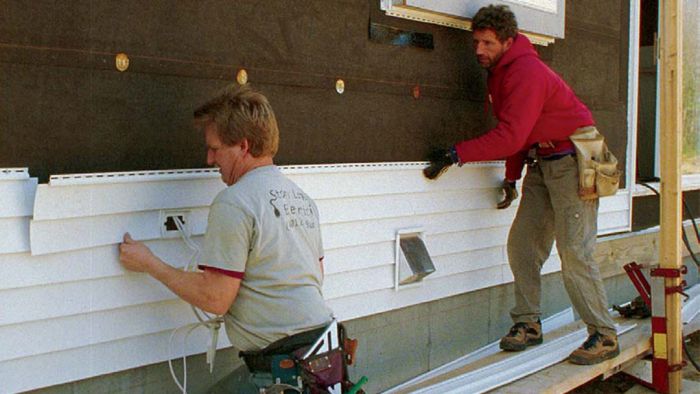
Before beginning the installation of custom vinyl siding, there are several important preparation steps that need to be taken to ensure a successful outcome.
Gathering Tools and Materials
- Hammer
- Nails
- Tape measure
- Level
- Tin snips
- Caulk gun
- J-channel
It is essential to have all the necessary tools and materials on hand before starting the installation process to avoid delays.
Measuring and Estimating Vinyl Siding
- Measure the height and width of each wall where the siding will be installed.
- Calculate the square footage of each wall by multiplying the height by the width.
- Add up the square footage of all walls to determine the total square footage needed for the project.
- Consider ordering extra siding to account for any mistakes or future repairs.
Accurately measuring and estimating the quantity of custom vinyl siding required is crucial to ensure you have enough material to complete the project.
Installation Process
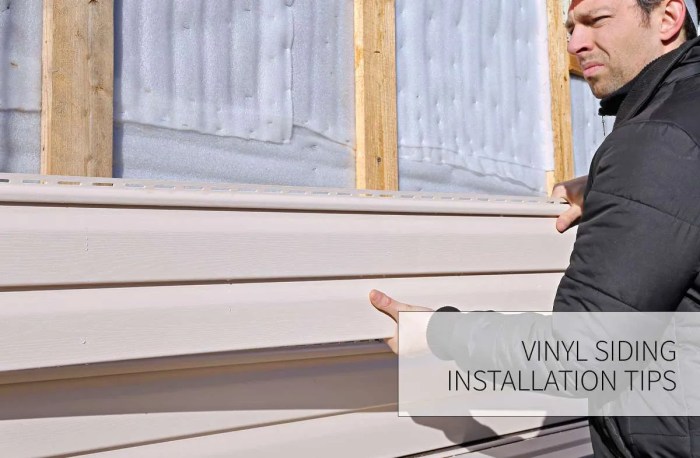
When it comes to installing custom vinyl siding, following a step-by-step process is crucial to ensure a successful outcome. Here, we will Artikel the key steps involved in the installation process, along with tips to help you achieve a smooth and efficient installation.
Step 1: Preparing the Surface
Before starting the installation, it is essential to prepare the surface properly. This involves cleaning the existing siding, repairing any damage, and ensuring a smooth and flat surface for the new vinyl siding to adhere to.
Step 2: Measuring and Cutting
Accurate measurements are crucial when it comes to cutting the vinyl siding panels. Make sure to measure carefully and use a sharp utility knife or vinyl cutter to ensure clean and precise cuts.
Step 3: Installing Starter Strips
Begin the installation process by installing starter strips at the bottom of the exterior walls. These strips will provide a secure base for the first row of siding panels to be attached to.
Step 4: Attaching the Siding Panels
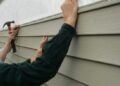
Once the starter strips are in place, it's time to attach the siding panels. Start from one end of the wall and work your way horizontally, overlapping each panel slightly to create a seamless look.
Step 5: Finishing Touches
After all the panels are installed, make sure to add finishing touches such as J-channels around windows and doors, as well as corner pieces to ensure a polished look.
Tips for a Smooth Installation:
- Work methodically and carefully to avoid mistakes.
- Use a level to ensure panels are installed straight.
- Follow manufacturer instructions for best results.
Common Challenges and Solutions:
- Warped Panels:If you encounter warped panels, lay them flat in the sun to help them regain their shape before installation.
- Uneven Walls:For walls that are not perfectly flat, use furring strips to create a level surface for the siding.
- Incorrect Installation:If you make a mistake during installation, carefully remove the panel and try again to ensure a proper fit.
Maintenance and Care
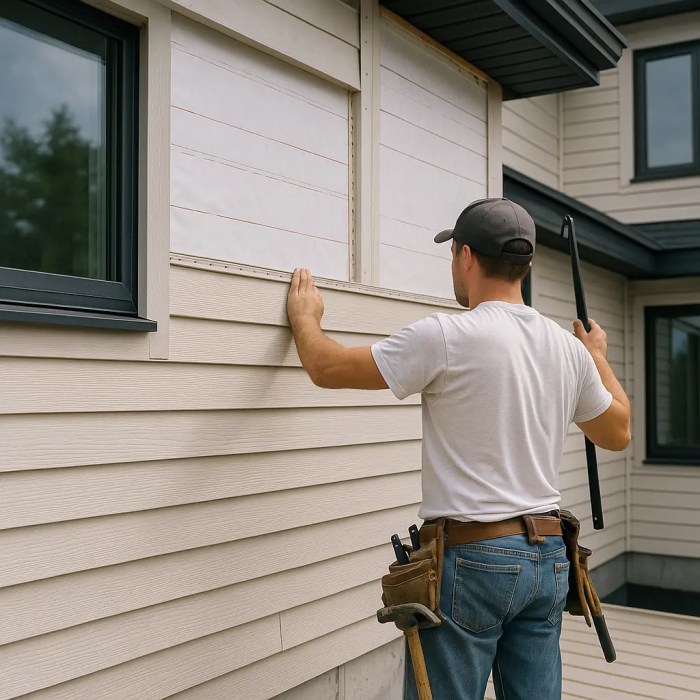
Proper maintenance is essential to ensure the longevity and quality of custom vinyl siding. By following these tips for cleaning and protecting your siding, as well as knowing how to address repairs or replacements when needed, you can keep your home looking great for years to come.
Cleaning and Protecting Custom Vinyl Siding
- Regularly clean the siding with a mixture of mild soap and water to remove dirt, grime, and mildew.
- Avoid using harsh chemicals or abrasive materials that could damage the vinyl surface.
- Rinse the siding thoroughly with a garden hose to remove any soap residue.
- Inspect the siding for any signs of damage or wear, such as cracks, chips, or fading.
- Consider applying a protective wax coating to help maintain the color and shine of the vinyl.
Addressing Repairs and Replacements
- If you notice any damage to the siding, such as cracks or holes, address it promptly to prevent further issues.
- For minor repairs, use a vinyl siding repair kit to fill in any gaps or holes in the material.
- If a larger section of siding is damaged beyond repair, consider replacing the affected panels with new ones.
- Consult a professional if you are unsure how to properly repair or replace damaged vinyl siding.
Last Point
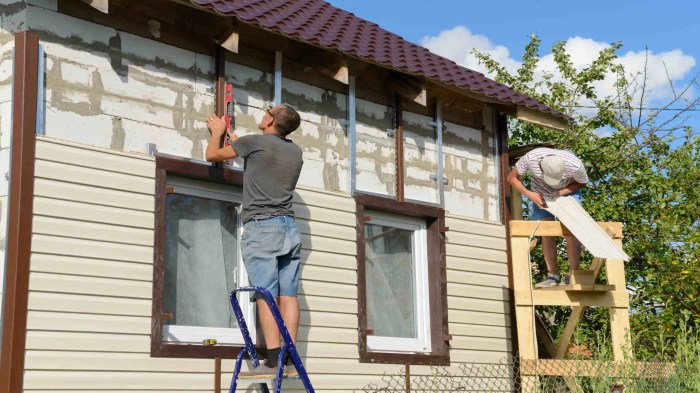
As we conclude our exploration of custom vinyl siding installation, it becomes evident that this modern solution offers a blend of style and substance for homeowners seeking excellence. Dive into the world of custom vinyl siding and unlock the potential for a stunning exterior transformation.
FAQ Explained
What are the benefits of custom vinyl siding?
Custom vinyl siding offers enhanced durability, easy maintenance, and a wide array of style options to elevate your home's exterior.
How do I choose the right custom vinyl siding?
Consider factors like color, texture, and style options to match your home's aesthetic, along with durability and maintenance requirements.
What tools are needed for custom vinyl siding installation?
Tools such as a utility knife, tape measure, and a level are essential for a successful installation process.
How do I maintain custom vinyl siding?
Regular cleaning with a mild detergent and water, along with occasional inspections for damage, can help preserve the quality of custom vinyl siding.
What are common challenges during custom vinyl siding installation?
Issues like uneven walls, incorrect measurements, and weather conditions can pose challenges during installation, which can be addressed with proper planning and adjustment.