
When it comes to vinyl siding installation near me, homeowners are often faced with a multitude of questions and considerations. From the benefits of vinyl siding to finding a reliable contractor, this guide covers everything you need to know to ensure a successful installation process.
As we delve into the intricacies of vinyl siding installation, you'll discover valuable insights on how to prepare your home, what to expect during the installation process, and essential tips for maintenance and care post-installation.
Importance of Vinyl Siding Installation
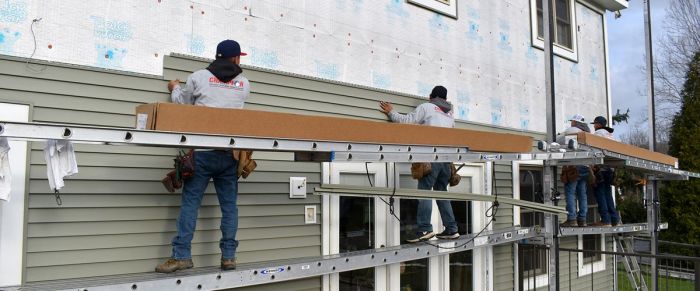
Vinyl siding installation plays a crucial role in enhancing the aesthetics and functionality of homes. Here are some key reasons why vinyl siding is a popular choice among homeowners:
Benefits of Vinyl Siding over Other Materials
- Cost-effective: Vinyl siding is more affordable than other materials like wood or brick, making it a budget-friendly option for homeowners.
- Low maintenance: Vinyl siding requires minimal upkeep and does not need to be painted, saving time and money on maintenance costs.
- Versatile design options: With a wide range of colors and styles available, vinyl siding allows homeowners to customize their exterior to suit their taste.
Energy Efficiency Improvements with Vinyl Siding
Vinyl siding can help improve energy efficiency in homes by providing better insulation. The insulation properties of vinyl siding help regulate indoor temperatures, reducing the need for heating and cooling systems to work overtime.
Durability Advantages of Vinyl Siding
- Weather-resistant: Vinyl siding is designed to withstand harsh weather conditions, such as heavy rain, wind, and snow, without deteriorating.
- Longevity: Vinyl siding is known for its durability and can last for many years without needing to be replaced, saving homeowners money in the long run.
- Resistance to rot and pests: Unlike wood siding, vinyl siding is not susceptible to rot or pest infestations, making it a low-maintenance and long-lasting option for homes.
Finding a Reliable Contractor
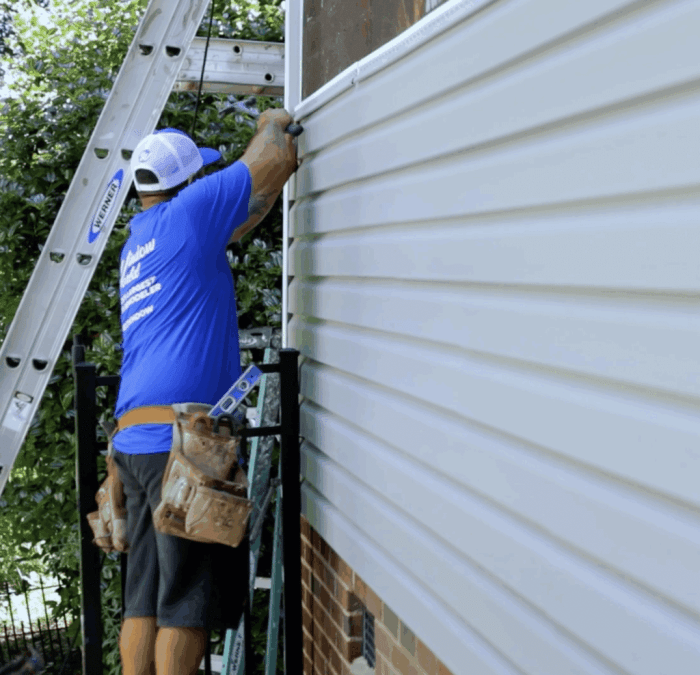
When it comes to vinyl siding installation, finding a reliable contractor is crucial to ensure a successful and quality job. Here are some tips on how to research and select a reputable contractor for your project.
Checking Licenses, Insurance, and References
Before hiring a contractor for vinyl siding installation, it is essential to check if they have the necessary licenses and insurance. A licensed contractor signifies that they have met the required standards and regulations in the industry. Additionally, insurance coverage protects you and your property in case of any accidents or damages during the installation process.
It is also vital to ask for references from past clients to get an idea of the contractor's work quality and professionalism.
Getting Multiple Quotes
One of the best practices when looking for a contractor is to get multiple quotes from different professionals. This allows you to compare prices, services offered, and timelines for the project. By obtaining several quotes, you can make an informed decision based on the overall value provided by each contractor.
Remember, the cheapest option may not always be the best choice, so consider all factors before making a decision.
Preparing for Installation
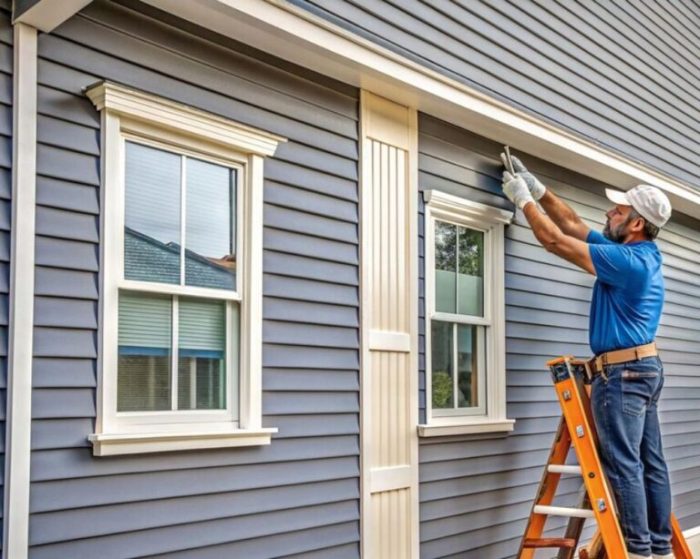
When preparing for vinyl siding installation, homeowners should take several important steps to ensure a smooth and successful process. This includes inspecting the existing siding, clearing the work area, and protecting landscaping during installation.
Inspect Existing Siding
Before the installation begins, it is crucial to inspect the existing siding for any damage or issues. Look for signs of rot, mold, or pest infestations that may need to be addressed before the new vinyl siding can be installed.
This ensures that the new siding will be properly installed and will last for years to come.
Clear Work Area
Clearing the work area is essential to allow the contractors to work efficiently and safely. Remove any obstacles or debris from around the house, including patio furniture, toys, and gardening tools. This will provide a clear workspace for the installation crew and help prevent any accidents or damage during the process.
Protect Landscaping
During vinyl siding installation, it is important to protect landscaping around the house to prevent any damage. Consider covering plants, shrubs, and flowers with tarps or sheets to shield them from debris and dust. Communicate with the installation team about any specific areas that need extra protection to ensure that your landscaping remains intact throughout the process.
Installation Process
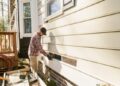
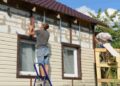
When it comes to vinyl siding installation, there are several key steps involved to ensure a proper and durable finish for your home. Professionals follow a systematic process to measure, cut, and secure the vinyl siding panels effectively.
Measuring and Cutting Vinyl Siding
- Before installation begins, precise measurements of the exterior walls are taken to determine the amount of vinyl siding needed.
- Professionals use specialized tools such as a vinyl siding cutter to accurately cut the panels to the required size.
- It is crucial to ensure that each panel is cut correctly to fit the specific dimensions of the wall, allowing for a seamless and polished appearance.
Securing Vinyl Siding Panels
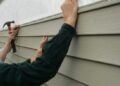
- Once the panels are cut to size, professionals begin securing them to the exterior walls starting from the bottom and working their way up.
- Special attention is given to properly overlapping the panels to prevent moisture from seeping behind the siding.
- Nails or screws are used to secure the panels in place, ensuring they are firmly attached and can withstand various weather conditions.
Special Considerations and Challenges
- One common challenge during the installation process is dealing with irregularities in the wall surface, which may require additional preparation or adjustments.
- Professionals may need to work around obstacles such as windows, doors, or electrical fixtures, requiring careful planning and precise cutting of the siding panels.
- Weather conditions can also impact the installation process, with extreme temperatures or high winds potentially causing delays or affecting the quality of the installation.
Maintenance and Care Tips
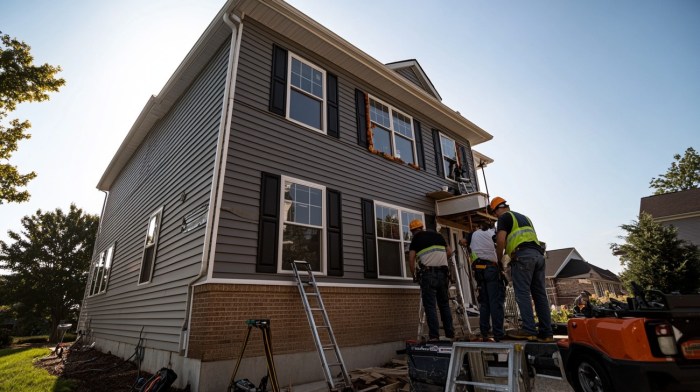
After the installation of vinyl siding, it is crucial to properly maintain and care for it to ensure its longevity and keep it looking its best. Regular maintenance and inspections can help prevent costly repairs down the line. Here are some guidelines on how to take care of your vinyl siding:
Regular Cleaning and Inspections
Regularly cleaning your vinyl siding is essential to prevent dirt, debris, and mold from building up. Use a mixture of water and mild detergent to scrub the siding with a soft brush or cloth. Rinse thoroughly with water to remove all soap residue.
Additionally, inspect your siding for any signs of damage, such as cracks, chips, or warping. Addressing these issues promptly can prevent further damage and prolong the lifespan of your siding.
Repairing Minor Damages
If you notice any minor damages or issues with your vinyl siding, such as loose panels or small cracks, it is important to repair them promptly. Use a patching compound or caulk to seal any cracks or gaps in the siding.
For loose panels, secure them back into place using nails or screws. Taking care of these minor repairs can prevent larger issues from arising in the future.
Conclusive Thoughts
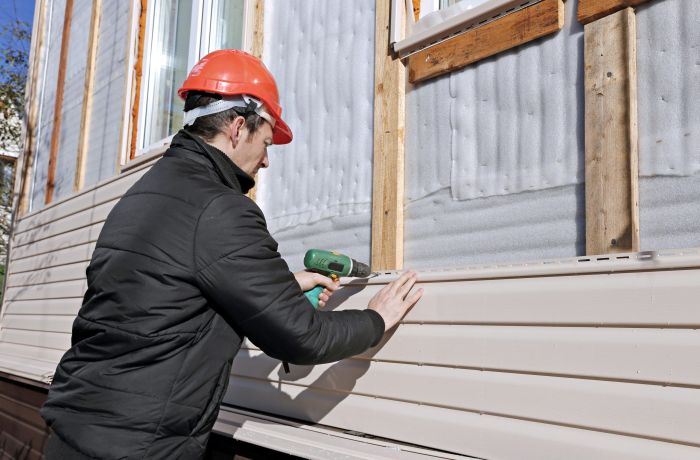
In conclusion, vinyl siding installation near me offers a range of benefits that can enhance the aesthetic appeal, energy efficiency, and durability of your home. By following the guidelines Artikeld in this guide, you can make informed decisions and achieve a seamless vinyl siding installation that will stand the test of time.
FAQ Guide
What are the benefits of choosing vinyl siding over other materials?
Vinyl siding is cost-effective, low maintenance, and offers a wide range of colors and styles to choose from.
How can I find a reliable contractor for vinyl siding installation near me?
Research online reviews, ask for referrals, check for licenses, insurance, and references before making a decision.
What steps should I take to prepare my home for vinyl siding installation?
Clear the work area, inspect existing siding for damage, and protect landscaping to ensure a smooth installation process.
What is involved in the maintenance and care of vinyl siding?
Regular cleaning, inspections, and timely repairs are crucial to prolong the lifespan of vinyl siding and maintain its appearance.