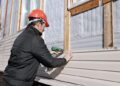

Vinyl siding installation is not just about enhancing your home's exterior, it's about transforming it with style and functionality. From choosing the right type of vinyl siding to mastering the installation process, this guide covers everything you need to know to achieve a seamless and professional-looking finish.
Get ready to dive into the world of vinyl siding installation with confidence and skill.
Overview of Vinyl Siding Installation
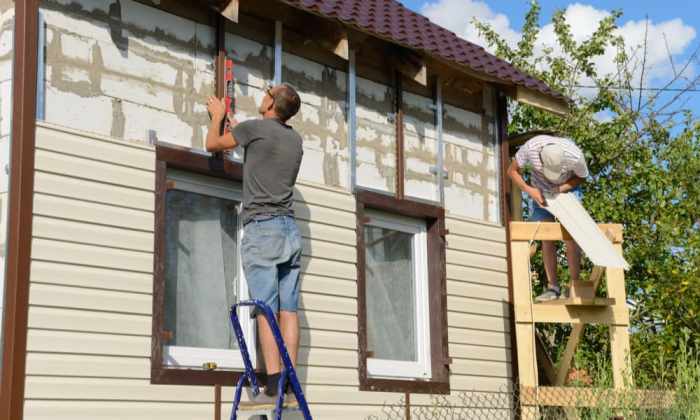
Vinyl siding is a popular choice for homeowners due to its various benefits. It is durable, low maintenance, and comes in a wide range of colors and styles to suit any architectural design.
Benefits of Vinyl Siding
- Cost-effective compared to other siding materials like wood or brick.
- Resistant to rot, rust, and insects, increasing its longevity.
- Easy to clean with just soap and water, reducing maintenance costs.
- Available in a variety of colors and textures to enhance curb appeal.
Types of Vinyl Siding
- Horizontal vinyl siding: Traditional style with planks running horizontally.
- Vertical vinyl siding: Offers a unique look with panels running vertically.
- Shake-style vinyl siding: Mimics the appearance of cedar shakes for a rustic look.
- Scalloped vinyl siding: Features curved edges for a decorative touch.
Cost Range for Vinyl Siding Installation
Vinyl siding installation costs can vary depending on factors such as the size of the home, the quality of the materials, and any additional features like insulation. On average, homeowners can expect to pay between $5,000 to $15,000 for vinyl siding installation.
Durability and Maintenance
Vinyl siding is known for its durability, with a lifespan of 20-40 years when properly maintained. Regular cleaning and inspections can help prevent issues such as mold or mildew growth. In case of damage, individual panels can be easily replaced without affecting the rest of the siding.
Pre-Installation Considerations
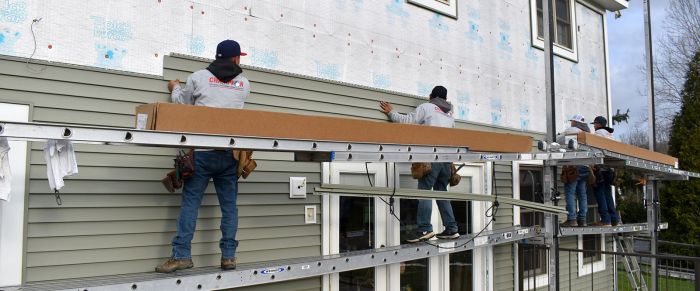
When preparing for vinyl siding installation, there are several key factors to consider to ensure a successful and long-lasting result.
Tools and Materials Checklist
- Vinyl siding panels
- Siding nails or screws
- J-channel
- Utility knife
- Tin snips
- Level
- Tape measure
- Caulk and caulk gun
- Housewrap or insulation
Importance of Proper Insulation
Proper insulation is crucial before installing vinyl siding to maintain energy efficiency and protect against moisture damage. Insulation helps regulate indoor temperatures and prevents drafts, ultimately reducing energy costs.
Preparing the Exterior Surface
- Clean the exterior surface thoroughly to remove dirt, debris, and mold.
- Repair any damaged areas, such as rotted wood or loose siding.
- Install housewrap or insulation to create a moisture barrier and improve energy efficiency.
- Check for levelness and make necessary adjustments to ensure a smooth installation process.
Installation Process
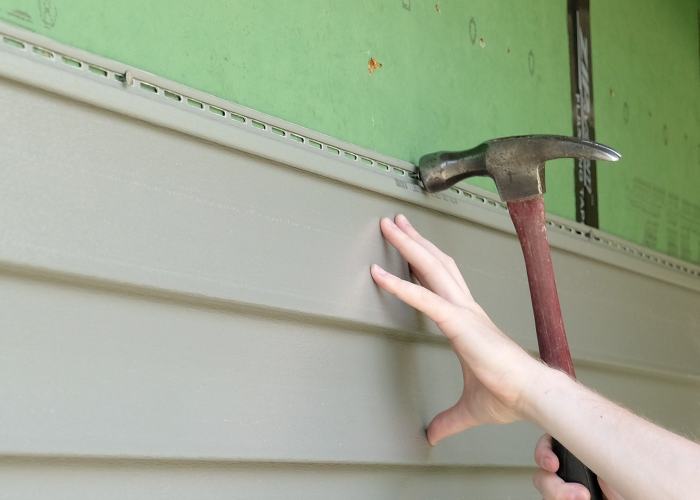
Installing vinyl siding involves a step-by-step procedure to ensure a seamless and professional-looking finish
Cutting Vinyl Siding
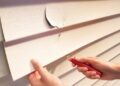
When it comes to cutting vinyl siding to fit around corners and openings, there are different methods you can use. One common approach is to score the siding with a utility knife and then snap it along the scored line.
Another method involves using tin snips or a circular saw with a fine-tooth blade for more precise cuts.
Attaching and Securing Vinyl Siding Panels
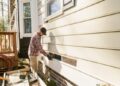
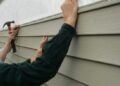
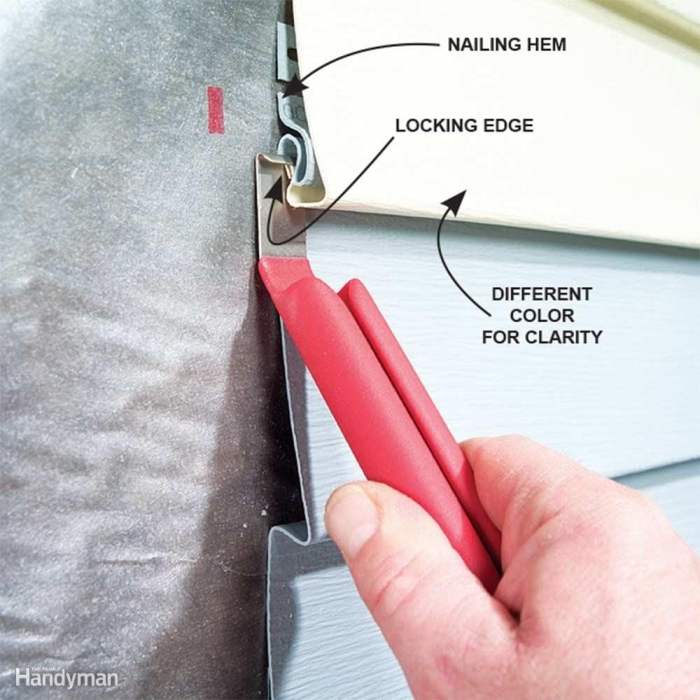
To properly attach and secure vinyl siding panels, start by installing the starter strip at the bottom of the wall and then work your way up. Use nails or screws to secure the panels, making sure to leave a small gap for expansion and contraction.
Be mindful of the manufacturer's guidelines for fastener placement and spacing.
Best Practices for a Professional Finish
To ensure a seamless and professional-looking vinyl siding installation, it's essential to pay attention to detail. Make sure the panels are level and straight, with consistent spacing between them. Take extra care when cutting around corners and openings to maintain a clean and polished appearance.
Additionally, always follow the manufacturer's instructions and recommendations for the best results.
Finishing Touches and Maintenance
After the vinyl siding installation is complete, it is essential to focus on finishing touches and maintenance to ensure the longevity and aesthetics of your home's exterior.
Finishing Touches
- Inspect the siding for any loose panels or gaps and secure them properly.
- Clean the exterior of your home to remove any dirt, dust, or grime that may have accumulated during the installation process.
- Replace any damaged or missing pieces of siding to maintain a seamless look.
Maintenance Tips
- Regularly wash the vinyl siding with a mixture of water and mild soap to prevent mold and mildew buildup.
- Avoid using harsh chemicals or abrasive tools that could damage the siding's surface.
- Inspect the siding annually for signs of wear and tear, such as fading or warping, and address any issues promptly.
Common Issues and Solutions
- If you notice any moisture or water getting behind the siding, investigate the source of the problem and seal the area to prevent further damage.
- Warped or buckled panels may need to be replaced to ensure the structural stability of the siding.
Enhancing Appearance
- Adding decorative elements, such as trim or shutters, can enhance the overall appearance of your home's exterior.
End of Discussion
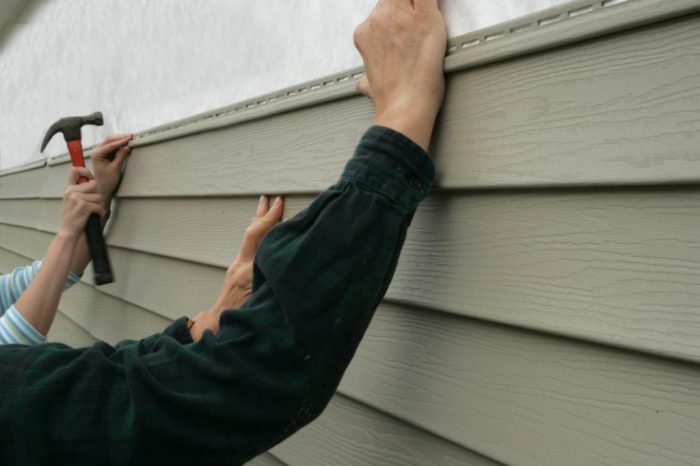
In conclusion, vinyl siding installation offers a cost-effective and durable solution to elevate the aesthetic appeal and protection of your home. By following the steps Artikeld in this guide, you can enjoy the benefits of vinyl siding for years to come.
Take the first step towards a beautiful and low-maintenance exterior with vinyl siding installation.
Key Questions Answered
What are the benefits of vinyl siding?
Vinyl siding is known for its durability, low maintenance requirements, versatility in design, and cost-effectiveness compared to other siding materials.
How do I prepare the exterior surface for vinyl siding installation?
Before installation, make sure the surface is clean, smooth, and free of any debris. Repair any damaged areas and apply a weather-resistant barrier for added protection.
What are the common issues that may arise after vinyl siding installation?
Common issues include warping, fading, or loose panels. These can be addressed by proper maintenance, timely repairs, and ensuring proper installation techniques were followed.