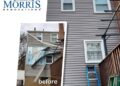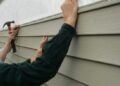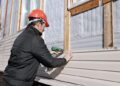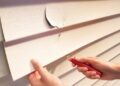

Embark on a transformational journey with vinyl siding replacement, as we delve into the importance, signs, process, costs, choosing the right materials, and the environmental impact of this home improvement project. Get ready to discover the key to enhancing your home's appearance and function!
Vinyl siding replacement is a crucial aspect of home maintenance that can breathe new life into your property. Whether you're looking to upgrade your home's curb appeal or address structural issues, understanding the ins and outs of this process is essential.
Importance of Vinyl Siding Replacement
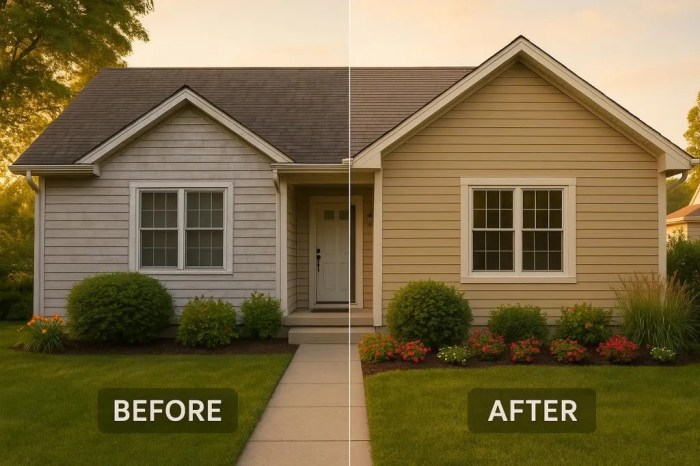
Replacing vinyl siding can bring numerous benefits to homeowners, both in terms of aesthetics and functionality.
Enhanced Curb Appeal
Outdated vinyl siding can significantly impact a home's curb appeal, making it look worn out and unattractive. By replacing the siding, homeowners can instantly refresh the look of their property, increasing its overall appeal and value.
Improved Insulation and Energy Efficiency
Old vinyl siding may have cracks or gaps that compromise the insulation of the home, leading to energy loss and higher utility bills. By replacing the siding, homeowners can improve the insulation of their property, enhancing energy efficiency and lowering heating and cooling costs.
Prevention of Structural Damage
Damaged or deteriorating vinyl siding can allow moisture to seep into the walls of the home, causing structural damage over time. By replacing the siding promptly, homeowners can prevent costly repairs and ensure the integrity of their property.
Signs that Vinyl Siding Needs Replacement
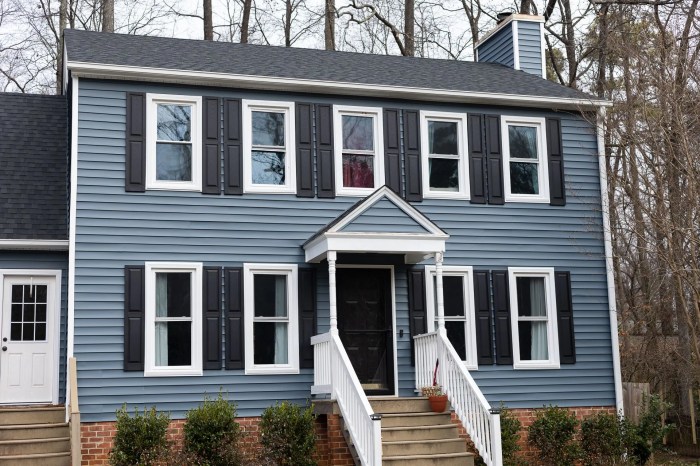
When it comes to the exterior of your home, the condition of your vinyl siding plays a crucial role in protecting your property and enhancing its curb appeal. Here are some signs that indicate your vinyl siding might need replacement:
Common Signs of Wear and Damage
- Cracks or splits in the siding
- Fading or discoloration
- Warping or buckling panels
- Mold or mildew growth
Factors Affecting Lifespan of Vinyl Siding
The lifespan of vinyl siding can be influenced by various factors such as:
- Weather conditions like extreme heat or cold
- The age of the siding
- Proper maintenance and cleaning
When Replacement is Necessary vs. Repair
While some minor issues with vinyl siding can be repaired, there are situations where replacement is the best course of action:
- Extensive damage that affects the structural integrity
- Significant mold or mildew infestation
- Multiple cracks or splits throughout the siding
Vinyl Siding Replacement Process
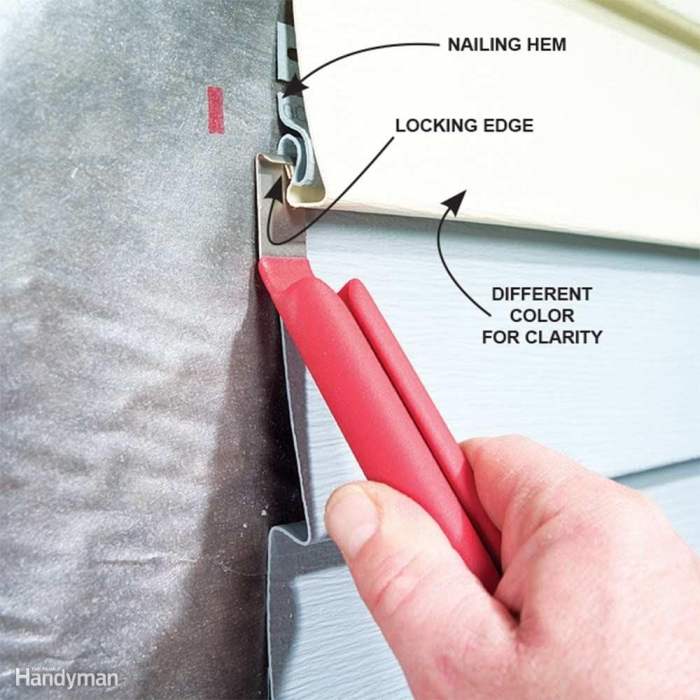
Replacing vinyl siding involves several key steps to ensure a successful outcome. It is essential to have the right tools and materials on hand, as well as properly prepare the exterior of the home before starting the replacement process.
Steps Involved in Replacing Vinyl Siding
- Remove the existing vinyl siding carefully, starting from the top and working your way down.
- Inspect the underlying surface for any damage or decay that needs to be addressed before installing new siding.
- Measure and cut the new vinyl siding panels to fit the dimensions of your home accurately.
- Install the new siding panels, ensuring they are properly aligned and securely fastened to the exterior of the house.
- Finish by adding trim pieces, corner posts, and other accessories to complete the look and ensure a weatherproof seal.
Tools and Materials Required for a Successful Replacement
- Vinyl siding panels
- Siding removal tool
- Tape measure and level
- Hammer and nails or a nail gun
- Caulk and caulking gun
- Safety goggles and gloves
Preparing the Exterior of a Home Before Starting the Replacement Process
Before beginning the vinyl siding replacement process, it is essential to:
- Clean the exterior of the home thoroughly to remove any dirt, debris, or mold that could affect the new siding's adhesion.
- Repair any damaged or rotted areas of the underlying surface to ensure a smooth and stable base for the new vinyl siding.
- Inspect and replace any insulation or vapor barrier as needed to enhance energy efficiency and protect against moisture buildup.
Cost Considerations for Vinyl Siding Replacement
Replacing vinyl siding can be a significant investment for homeowners, so it's essential to understand the various cost factors involved in the process.
Breakdown of Typical Costs
- Cost of Vinyl Siding Materials: The cost of the siding itself can vary based on the quality, style, and brand you choose.
- Labor Costs: Hiring professionals to install the siding will incur labor costs, which can vary depending on the complexity of the job and the contractor's rates.
- Additional Materials: Other materials such as insulation, trim pieces, and fasteners will also contribute to the overall cost.
- Permit Fees: Some areas may require permits for siding replacement, which can add to the total cost.
DIY vs. Professional Installation
- DIY Replacement: While DIY installation can save on labor costs, it requires the necessary skills and tools to ensure a proper installation. Mistakes can be costly to fix.
- Professional Contractor: Hiring a professional ensures the job is done correctly and efficiently, but labor costs will be higher.
Factors Affecting Cost
- Size of the Home: Larger homes will require more materials and labor, leading to higher costs.
- Siding Quality: Higher quality siding will come at a premium price compared to basic options.
- Location: Labor costs and material prices can vary based on your location and local market conditions.
- Add-Ons: Additional features like insulation or decorative elements will add to the total cost.
Choosing the Right Vinyl Siding for Replacement
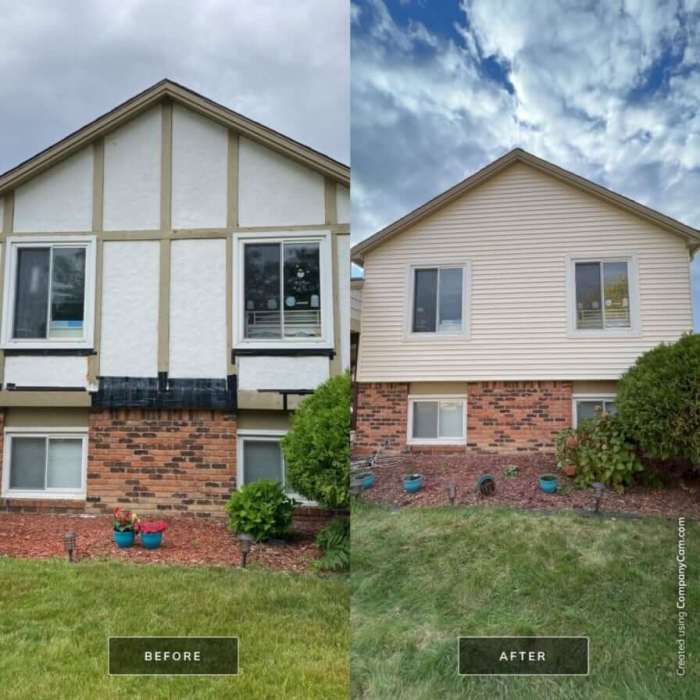
When it comes to choosing the right vinyl siding for replacement, there are several factors to consider. From durability to aesthetics and maintenance requirements, each type of vinyl siding offers unique benefits. Here, we will delve into the different types of vinyl siding options available in the market, compare their key features, and provide tips on selecting the best vinyl siding for your specific home style and climate.
Types of Vinyl Siding Options
- Vinyl Clapboard Siding: Mimics the look of traditional wood clapboard siding but with less maintenance.
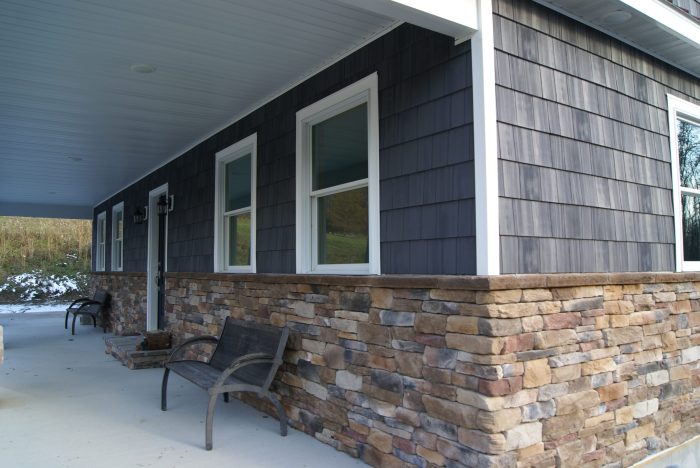
- Vinyl Shake Siding: Resembles the appearance of cedar shakes and adds a rustic charm to your home.
- Vinyl Board and Batten Siding: Features alternating wide boards and narrow strips for a distinctive look.
Durability, Aesthetics, and Maintenance Requirements
- Vinyl Clapboard Siding: Durable, versatile, and easy to maintain, suitable for various home styles.
- Vinyl Shake Siding: Offers a natural appearance, low maintenance, and excellent durability against harsh weather conditions.
- Vinyl Board and Batten Siding: Provides a unique visual appeal, minimal maintenance, and good durability over time.
Tips for Selecting the Best Vinyl Siding
- Consider your home's architectural style to choose a siding that complements its overall look.
- Take into account the climate in your area and opt for a vinyl siding that can withstand extreme weather conditions.
- Look for high-quality materials that offer good insulation properties and energy efficiency for your home.
Environmental Impact of Vinyl Siding Replacement
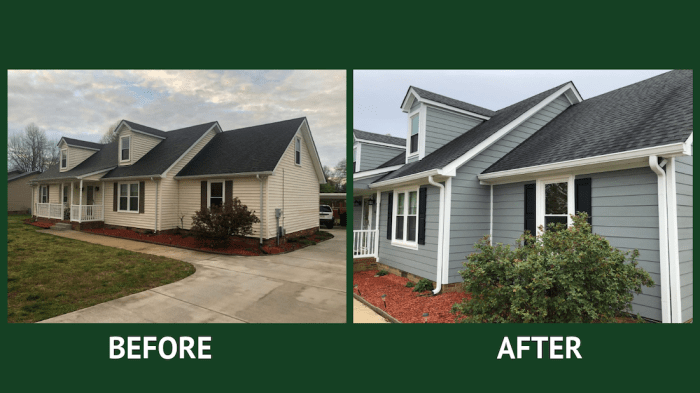
Vinyl siding replacement can have both positive and negative environmental impacts. While vinyl siding is not the most eco-friendly material due to its production process and non-biodegradable nature, there are ways to mitigate its environmental impact.
Eco-friendliness of Vinyl Siding Materials
- Vinyl siding is not biodegradable and can release toxic chemicals when burned.
- However, advancements in technology have led to the development of more sustainable vinyl siding options made from recycled materials.
- Opting for eco-friendly vinyl siding materials can reduce the environmental footprint of the replacement project.
Energy-Efficient Vinyl Siding Options
- Energy-efficient vinyl siding options, such as insulated siding, can improve the insulation of your home, reducing energy consumption for heating and cooling.
- This can lead to lower energy bills and a smaller carbon footprint, making your home more environmentally friendly.
- Choosing energy-efficient vinyl siding can contribute to a greener home overall.
Recycling Programs for Old Vinyl Siding Materials
- Many recycling facilities accept old vinyl siding materials for recycling.
- Recycling old vinyl siding can help reduce waste in landfills and promote a more sustainable approach to disposal.
- Check with your local recycling center or waste management facility for information on recycling programs for vinyl siding.
Conclusive Thoughts
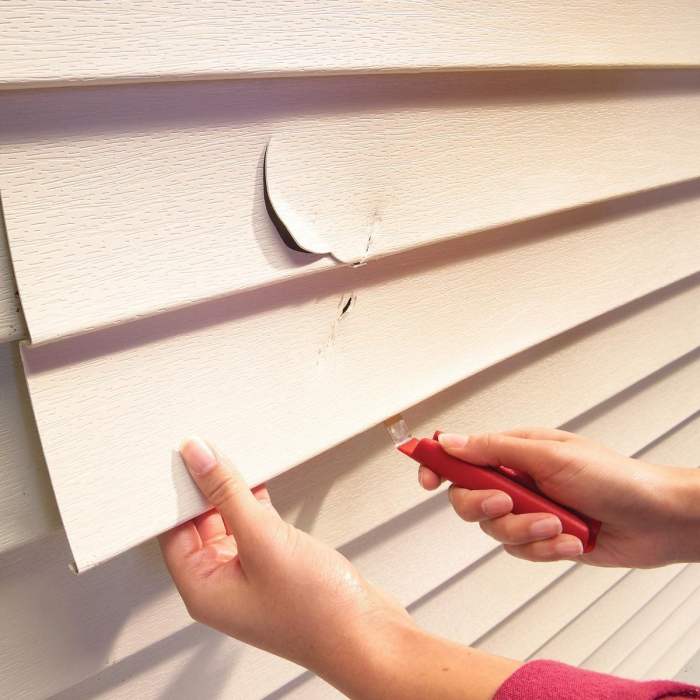
In conclusion, vinyl siding replacement offers a myriad of benefits, from aesthetic enhancements to improved energy efficiency. By investing in this upgrade, homeowners can elevate their living spaces and contribute to a more sustainable future. Take the first step towards a revitalized home today!
FAQ Resource
When is it time to replace vinyl siding?
If you notice cracks, warping, or fading on your vinyl siding, it's time to consider replacement to maintain your home's integrity.
Can I replace vinyl siding on my own?
While DIY is an option, hiring a professional ensures proper installation and can save time and potential headaches in the long run.
What are the environmental benefits of choosing energy-efficient vinyl siding?
Energy-efficient vinyl siding can help reduce your home's carbon footprint by enhancing insulation and decreasing energy consumption.