
Siding installation companies play a crucial role in enhancing the aesthetics and functionality of your property. From the initial consultation to the final touches, these experts ensure a seamless process that transforms your home. Let's delve into the world of siding installation companies and discover what sets them apart in the realm of construction.
As we explore the intricacies of siding installation, we uncover the key aspects that make these companies indispensable for homeowners seeking quality craftsmanship and reliable service.
Introduction to Siding Installation Company
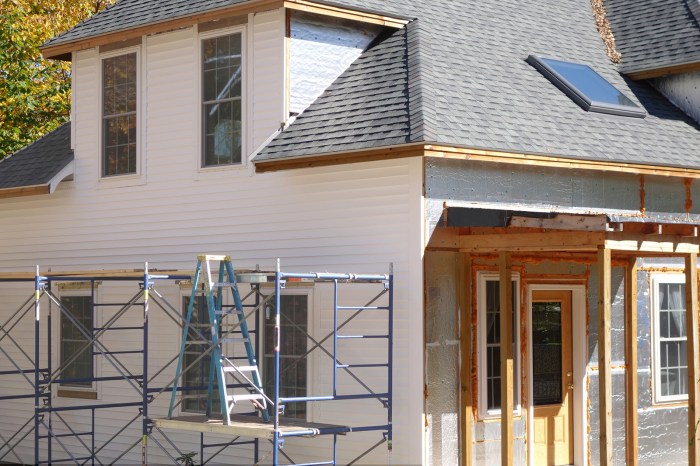
A siding installation company specializes in the installation of exterior siding on residential and commercial buildings. This process involves the fitting of protective material on the exterior walls to enhance the aesthetics, durability, and energy efficiency of the property.
Importance of Hiring a Professional Siding Installation Company
When it comes to installing siding, seeking the expertise of a professional siding installation company is crucial. Here are some reasons why:
- Professional Knowledge and Experience: Siding installation companies have skilled professionals with the expertise and experience to handle various types of siding materials and installations.
- Quality Workmanship: Professionals ensure that the siding is installed correctly, minimizing the risk of future issues or damage.
- Time and Cost-Efficiency: Hiring professionals can save time and money in the long run by avoiding mistakes and ensuring efficient installation.
- Compliance with Building Codes: Professionals are well-versed in local building codes and regulations, ensuring that the siding installation meets all necessary requirements.
Benefits of Having Siding Installed by Experts
Having siding installed by experts offers various benefits that contribute to the overall well-being of your property:
- Enhanced Curb Appeal: Professional installation can enhance the overall look and feel of your property, boosting its curb appeal and value.
- Improved Energy Efficiency: Properly installed siding can help in better insulation, leading to improved energy efficiency and reduced utility costs.
- Longevity and Durability: Professional installation ensures that the siding is securely installed, increasing its lifespan and durability against harsh weather conditions.
- Piece of Mind: By hiring experts, you can have peace of mind knowing that the siding installation is done correctly and professionally.
Types of Siding Materials
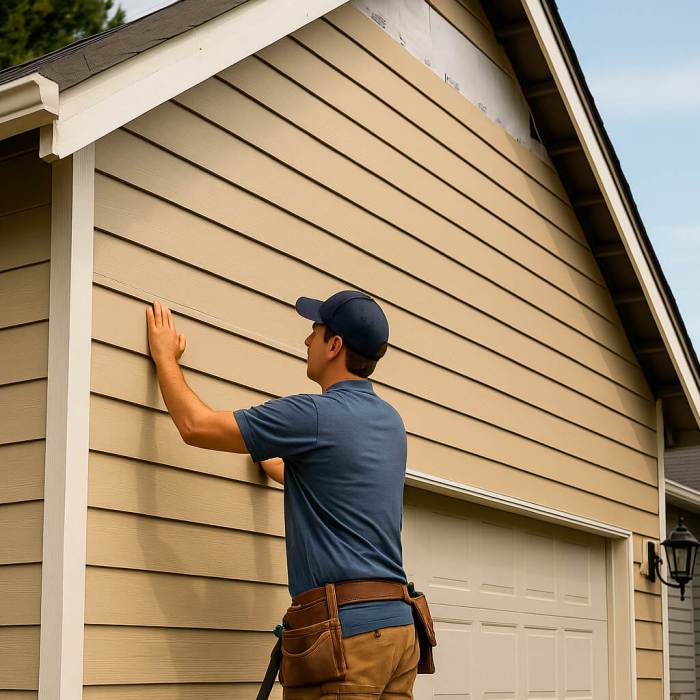
When it comes to siding materials, there are several options available, each with its own unique characteristics, durability, and maintenance requirements.
Vinyl Siding
Vinyl siding is one of the most popular choices due to its affordability, low maintenance, and versatility. It is durable, resistant to rot and insects, and comes in a wide range of colors and styles.
Fiber Cement Siding
Fiber cement siding is a durable option that mimics the look of wood but requires less maintenance. It is resistant to fire, rot, and insects, making it a long-lasting choice for homeowners.
Wood Siding
Wood siding provides a natural and classic look to a home. While it requires more maintenance than other materials, it can add charm and character to a property. Cedar and redwood are popular choices for wood siding due to their natural resistance to decay and insects.
Aluminum Siding
Aluminum siding is lightweight, durable, and resistant to fire. It requires minimal maintenance and can be painted to suit the homeowner's preferences. However, it may dent easily and is not as popular as other siding materials.
Stone Veneer Siding
Stone veneer siding offers a luxurious and elegant appearance to a home. It is durable, fire-resistant, and low maintenance. While it is more expensive than other options, it can greatly enhance the curb appeal of a property.
Brick Siding
Brick siding is a timeless and durable option that requires little maintenance. It is resistant to fire, pests, and rot, making it a long-lasting choice for homeowners. While it can be costly upfront, the longevity and classic look of brick siding make it a worthwhile investment.
Siding Installation Process
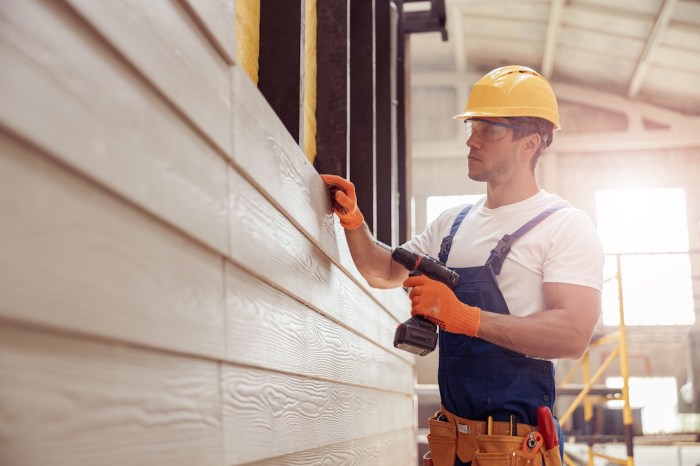
When it comes to siding installation, there are several key steps involved in the process. From preparation to the final touches, each step plays a crucial role in ensuring a successful installation.
Tools and Equipment Required
Before starting the siding installation process, it is important to have the necessary tools and equipment on hand. Some of the essential items include:
- Siding material
- Measuring tape
- Level
- Hammer
- Nails or screws
- Saw
- Caulk gun
- Safety glasses
Preparation Before Installation
Prior to beginning the siding installation, there are a few important preparations that need to be made. These include:
- Cleaning the exterior surface to remove any dirt or debris
- Inspecting the walls for any damage or rot that needs to be repaired
- Ensuring proper weatherproofing measures are in place
- Measuring and cutting the siding material to fit the dimensions of the walls
Factors to Consider When Choosing a Siding Installation Company
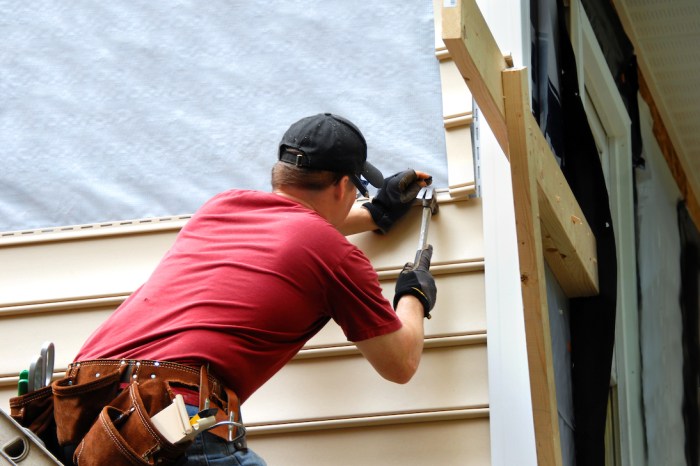
When looking for a siding installation company, there are several important factors to consider to ensure you make the right choice for your home. From experience and expertise to reliability and reputation, these factors can help you select the best company for your needs.
Experience and Expertise
It is crucial to prioritize experience and expertise when selecting a siding installation company. Look for a company that has been in the business for a significant amount of time and has a proven track record of successful projects. Experienced professionals will be able to handle any challenges that may arise during the installation process and provide high-quality workmanship.
Research and Reputation
Before making a decision, take the time to research potential siding installation companies. Check online reviews, ask for recommendations from friends or family, and request references from the company itself. A reliable company will have a positive reputation and be willing to provide references to showcase their past work.
Insurance and Licensing
Make sure the siding installation company you choose is properly licensed and insured. This will protect you in case of any accidents or damages that may occur during the installation process. Ask to see proof of insurance and licensing before agreeing to work with a company.
Quality of Materials
Inquire about the types of siding materials the company uses and ensure they offer a variety of options to suit your preferences and budget. Quality materials are essential for a long-lasting and durable siding installation, so make sure the company uses reputable brands and products.
Communication and Customer Service
Effective communication and excellent customer service are key factors to consider when choosing a siding installation company. Ensure the company is responsive to your inquiries, provides clear timelines and pricing information, and is willing to address any concerns or questions you may have throughout the installation process.
Cost and Budget
While cost is an important factor, it should not be the sole determining factor when choosing a siding installation company. Consider the overall value and quality of work provided by the company, rather than simply opting for the cheapest option.
Request detailed quotes and compare them to ensure you are getting a fair price for the services offered.
Cost of Siding Installation
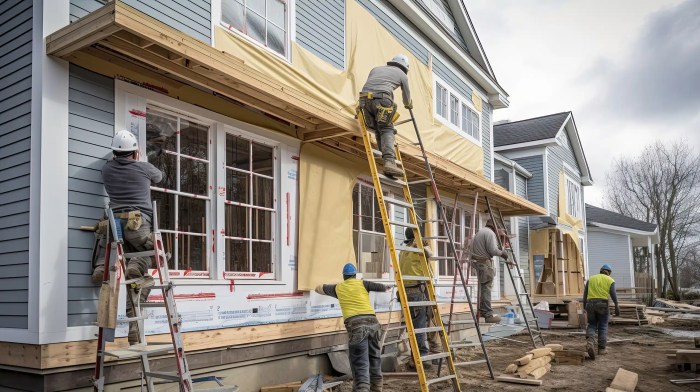
When it comes to siding installation, understanding the cost involved is crucial for budgeting and planning your project effectively. The total cost of siding installation can vary depending on several factors such as the materials used, the size of your home, and the reputation of the installation company.
Breakdown of Costs
- The cost of siding materials: Different siding materials come at varying price points. Vinyl siding is generally more affordable compared to wood or fiber cement siding.
- Labor costs: The amount you will pay for labor will depend on the complexity of the installation process and the time it takes to complete the project.
- Additional supplies and equipment: Aside from siding materials and labor, you may need to budget for additional supplies like nails, caulking, and equipment rental if needed.
Factors Affecting Pricing
- Materials: As mentioned earlier, the type of siding material you choose will significantly impact the overall cost of the project.
- Company reputation: Established siding installation companies with a good reputation may charge higher prices for their services compared to newer or less reputable companies.
- Location: Labor costs and material prices can vary depending on your location, so it's essential to consider regional pricing differences.
Budgeting Tips
- Get multiple quotes: It's a good idea to obtain quotes from several siding installation companies to compare prices and services offered.
- Set aside a contingency fund: Unexpected expenses can arise during the installation process, so it's wise to have a contingency fund for any unforeseen costs.
- Plan ahead: By planning your siding installation project in advance and setting a realistic budget, you can avoid financial surprises and ensure a smooth process.
Maintenance and Repairs
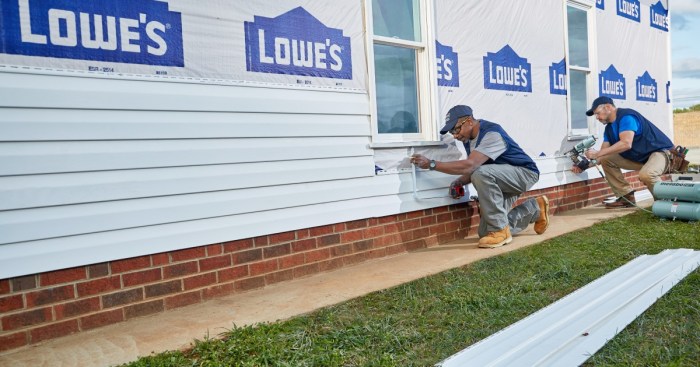
Proper maintenance and timely repairs are crucial for ensuring the longevity and functionality of your siding. By taking care of your siding, you can avoid costly replacements and keep your home looking great for years to come.
Maintenance Requirements for Different Types of Siding
- Vinyl Siding: Regularly clean with a mixture of water and mild detergent to prevent mold and mildew buildup. Inspect for any cracks or loose panels.
- Wood Siding: Apply a fresh coat of paint or stain every few years to protect against moisture and rot. Keep an eye out for signs of insect damage.
- Fiber Cement Siding: Wash with a hose or pressure washer to remove dirt and debris. Check for any chipping or peeling paint.
Common Issues Requiring Repairs
- Water Damage: Leaks or moisture infiltration can cause rot and mold growth, leading to structural issues.
- Cracks or Gaps: Gaps in siding can allow pests to enter and compromise the insulation of your home.
- Loose Panels: Strong winds or impact can loosen siding panels, affecting the overall integrity of the installation.
Tips to Prolong Siding Lifespan
- Regular Inspections: Check for any signs of damage or wear and tear on your siding to address issues promptly.
- Trim Trees and Bushes: Keep vegetation trimmed away from siding to prevent moisture retention and insect infestations.
- Avoid Pressure Washing: While cleaning is important, avoid using high-pressure washers that can damage siding materials.
Wrap-Up
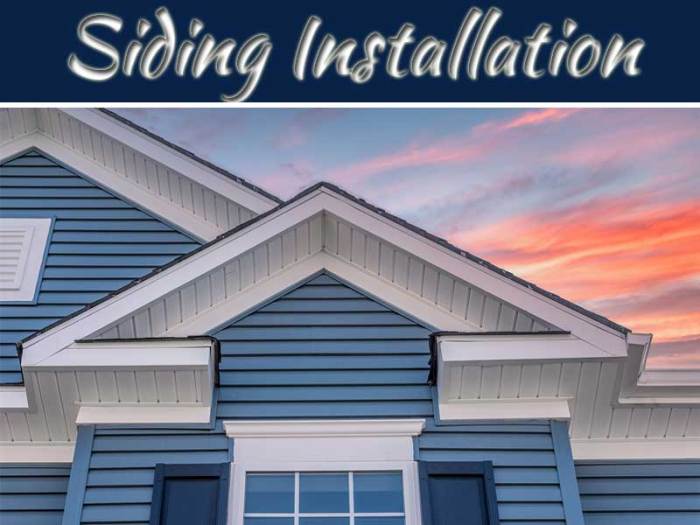
In conclusion, siding installation companies offer a blend of expertise, precision, and artistry that elevate the appeal and value of any property. By entrusting your siding project to seasoned professionals, you embark on a journey towards a home that exudes charm and durability.
Make the smart choice today and partner with a reputable siding installation company for a transformation that lasts a lifetime.
Question & Answer Hub
What are the benefits of hiring a professional siding installation company?
Professional siding installation companies bring expertise, efficiency, and quality workmanship to your project, ensuring a flawless outcome that enhances your property's curb appeal and longevity.
How do I choose the right siding installation company?
When selecting a siding installation company, consider factors such as experience, reputation, portfolio of past projects, customer reviews, and communication style. Requesting quotes and conducting thorough research can help you make an informed decision.
What are the common maintenance requirements for siding?
Regular cleaning, inspection for damage, and prompt repairs are essential for maintaining siding. Depending on the material, specific care routines may be needed to preserve the appearance and structural integrity of the siding.
How can I budget for a siding installation project?
To budget for a siding installation project, obtain quotes from multiple companies, consider the cost of materials, labor, permits, and any additional services. Factor in potential contingencies to ensure you have a realistic budget for the project.