
Emergency siding repair is a critical aspect of home maintenance that requires prompt attention and expertise. From identifying common causes of damage to implementing temporary solutions, this guide delves into the essentials of handling siding emergencies with precision.
Delve deeper into the nuances of emergency siding repair with this comprehensive exploration of strategies and solutions to safeguard your home's exterior.
Understanding Emergency Siding Repair
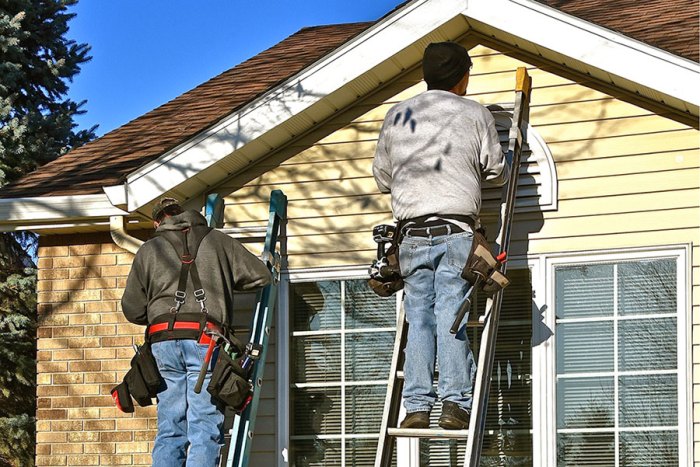
Emergency siding repair refers to the immediate or urgent maintenance and restoration work required to fix damaged siding on a residential property. This type of repair is necessary when the siding is compromised in a way that poses a risk to the structural integrity of the home or the safety of its occupants.
Common Causes of Siding Damage
There are several factors that can lead to siding damage, potentially requiring emergency repair:
- Severe weather conditions such as strong winds, hail, or heavy rainfall can cause siding to become loose, cracked, or even torn off completely.
- Pest infestations, particularly woodpeckers or termites, can damage the siding material, leading to holes or weakening of the structure.
- Aging and lack of regular maintenance can result in deterioration of the siding material, making it more susceptible to damage.
Potential Risks of Delaying Emergency Siding Repair
Delaying emergency siding repair can have serious consequences:
- Water infiltration through damaged siding can lead to mold growth, rotting of the underlying structure, and potential water damage inside the home.
- Structural integrity of the property may be compromised, risking the safety of the occupants and potentially leading to more costly repairs in the future.
- Decreased energy efficiency due to gaps or cracks in the siding, resulting in higher utility bills and discomfort inside the home.
Types of Emergency Siding Damage
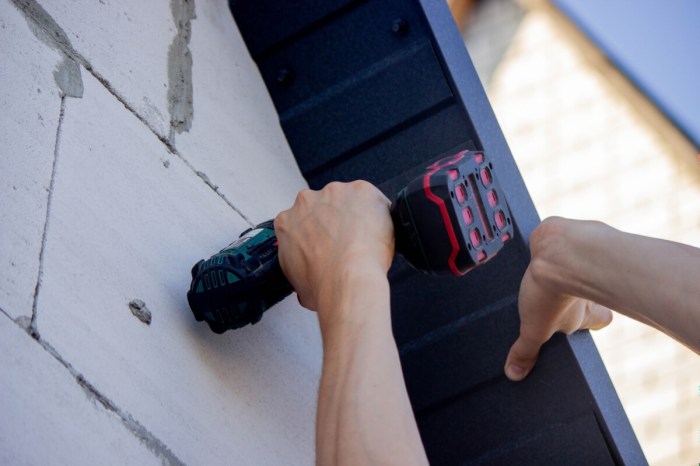
When it comes to emergency siding damage, there are certain types of issues that can arise and require immediate attention to prevent further damage to your property. It is essential to differentiate between minor siding problems that can be addressed at a later time and emergencies that need urgent repair to maintain the structural integrity of your home.
1. Severe Weather Damage
Severe weather conditions such as strong winds, hail, or heavy rain can cause significant damage to your siding. This includes cracks, holes, or even entire sections of siding being ripped off. Immediate repair is crucial to prevent water infiltration and further structural damage.
2. Pest Infestation
Pests like termites or carpenter ants can cause extensive damage to your siding, weakening it and compromising the stability of your home. If you notice signs of pest infestation such as wood dust, holes, or tunnels in your siding, it is essential to address the issue promptly to avoid further damage.
3. Mold and Mildew Growth
Mold and mildew can thrive on damp or moist siding, causing not only aesthetic issues but also health concerns for you and your family. If you spot mold or mildew growth on your siding, especially in large patches, immediate action is necessary to prevent it from spreading and causing structural damage.
4. Foundation Settlement
Foundation settlement can lead to siding damage, such as cracks or gaps between the siding and the foundation of your home. This can compromise the stability of your siding and the overall structure of your property. Addressing foundation settlement promptly is crucial to prevent further damage to your siding.
5. Fire Damage
In the unfortunate event of a fire, your siding may suffer damage from the heat or flames. Even if the fire itself has been extinguished, the residual damage to your siding can pose a safety hazard and needs to be addressed immediately to ensure the structural integrity of your home
Steps to Take During an Emergency Siding Repair Situation
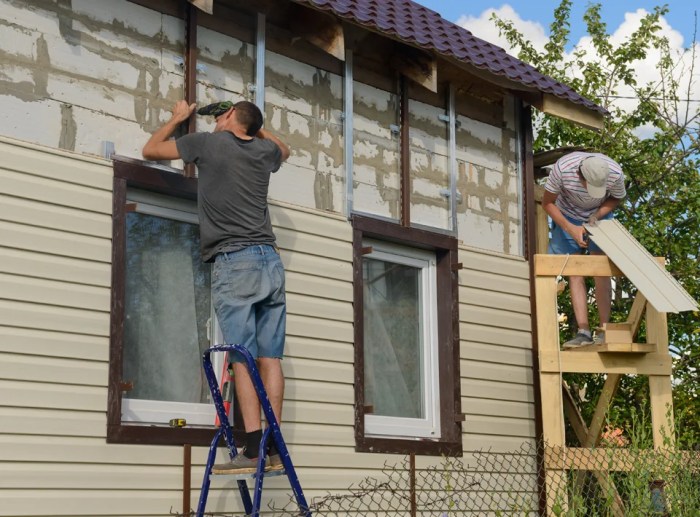
When facing a siding emergency, it is crucial for homeowners to take immediate action to prevent further damage to their property. Here is a step-by-step guide on what to do during an emergency siding repair situation.
Assess the Situation
Before attempting any repairs, it is essential to assess the extent of the damage to your siding. Look for signs of loose or missing siding, cracks, holes, or water damage. Understanding the severity of the damage will help determine the level of urgency in addressing the issue.
Ensure Safety First
Safety should always be the top priority during an emergency siding repair. Before attempting any temporary fixes, make sure to turn off electricity to the affected area to avoid any hazards. Wear appropriate safety gear such as gloves, goggles, and a mask to protect yourself from potential injuries.
Temporary Fixes
If the damage is minor and can be temporarily repaired, consider using materials like duct tape or plastic sheeting to cover the affected area. This will help prevent further damage while you wait for professional assistance.
Contact Professionals
For more serious damage or if you are unsure about how to proceed, it is best to contact professional siding repair experts. They have the skills, knowledge, and tools to properly assess the damage and provide long-term solutions to ensure the integrity of your siding.
Temporary Solutions for Emergency Siding Repair
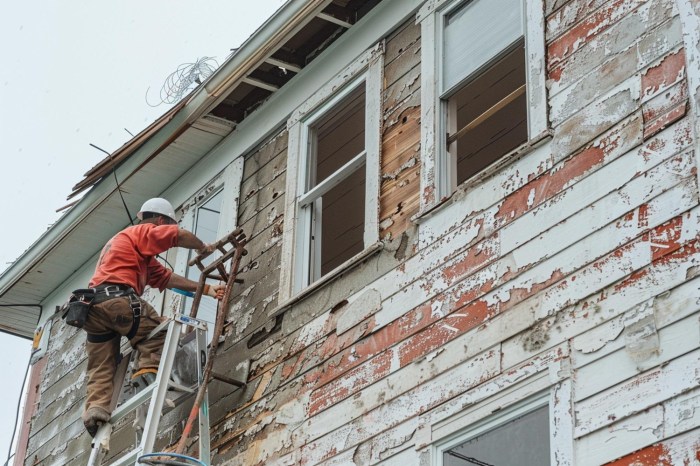
When faced with emergency siding damage, homeowners may need to implement temporary solutions to prevent further issues and protect their property. While these fixes are not permanent, they can help secure loose siding or cover exposed areas until professional repairs can be made.
Securing Loose Siding
- Use construction adhesive to reattach loose siding panels to the wall.
- Insert screws or nails to hold the siding in place temporarily.
- Apply caulk around the edges of the siding to provide additional support.
Covering Exposed Areas
- Use plastic sheeting or tarps to cover any exposed sections of siding.
- Secure the covering with heavy-duty tape or fasteners to prevent it from coming loose.
- Avoid leaving any gaps where water or debris could enter and cause further damage.
It is essential to remember that these temporary solutions are not long-term fixes and should be followed up with professional repairs as soon as possible to avoid additional problems.
Final Summary
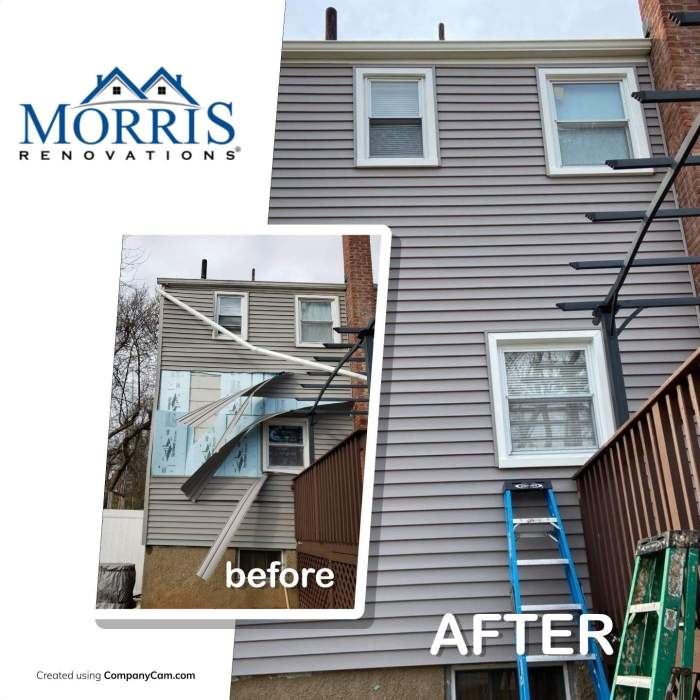
In conclusion, emergency siding repair demands swift action and careful consideration to ensure the structural integrity of your home. By following the Artikeld steps and understanding the risks involved, homeowners can effectively navigate siding emergencies with confidence.
FAQ Section
What are the common causes of siding damage?
Common causes include weather exposure, moisture infiltration, and impact from debris.
How can homeowners assess the extent of siding damage during an emergency?
Homeowners can visually inspect the siding for cracks, warping, or loose panels to gauge the severity of the damage.
Are temporary fixes effective in preventing further damage to siding?
Temporary solutions can provide immediate relief but do not substitute for professional repairs to ensure long-term integrity.