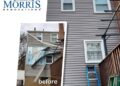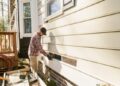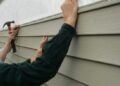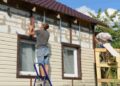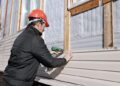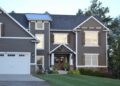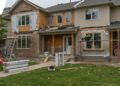

Exploring the world of siding panel replacement, this guide aims to provide valuable insights and practical tips for homeowners and DIY enthusiasts alike. From understanding the importance of timely replacements to the steps involved in the process, this article covers it all.
Introduction to Siding Panel Replacement
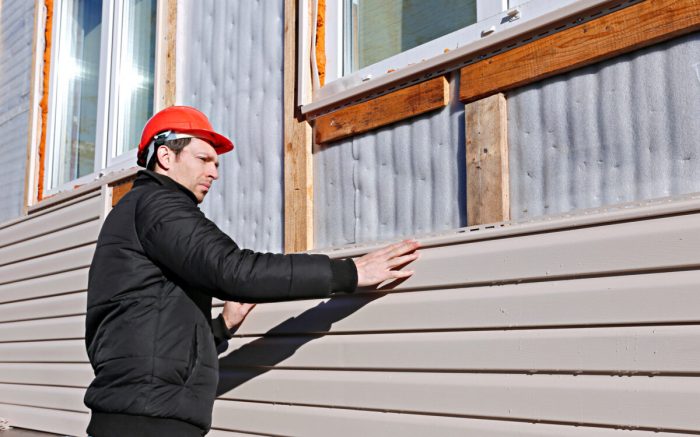
Siding panel replacement involves removing and installing new siding panels on a building's exterior to maintain its appearance and functionality.
There are various reasons why siding panels may need replacement, such as damage from severe weather conditions, age-related wear and tear, or pest infestations.
Importance of Timely Siding Panel Replacement
- Prevents further structural damage to the building.
- Enhances curb appeal and increases property value.
- Improves energy efficiency by ensuring proper insulation.
- Prevents moisture infiltration, which can lead to mold and mildew growth.
- Ensures the overall integrity and longevity of the building.
Types of Siding Panels
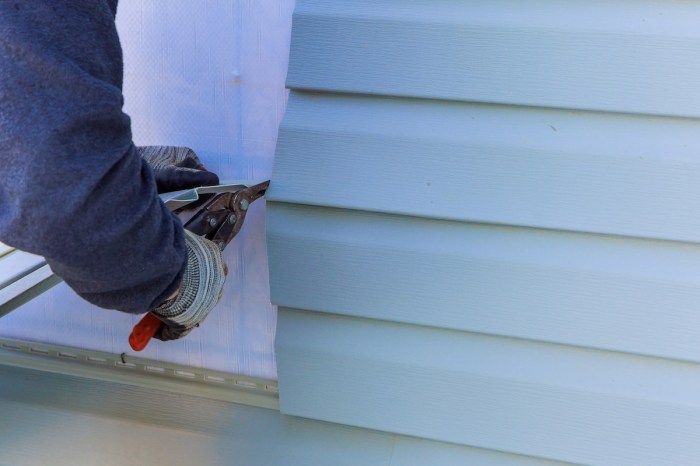
When it comes to siding panels, there are several different types commonly used in construction. Each type has its own set of characteristics, durability, and maintenance requirements. Let's explore some of the most popular options:
Vinyl Siding
Vinyl siding is one of the most common choices due to its affordability and low maintenance requirements. It is available in a wide range of colors and styles, making it versatile for various architectural designs. However, it may not be as durable as other materials and can crack or fade over time.
Fiber Cement Siding
Fiber cement siding is known for its durability and resistance to rot, fire, and pests. It can mimic the look of wood, stucco, or masonry, providing a high-end appearance without the maintenance of traditional materials. While it is more expensive upfront, it tends to last longer and requires minimal maintenance.
Wood Siding
Wood siding offers a natural and timeless look, adding warmth and character to a home. Cedar and redwood are popular choices due to their natural resistance to decay and insects. However, wood siding requires regular maintenance, such as staining or painting, to prevent rot and weathering.
Aluminum Siding
Aluminum siding is lightweight, durable, and resistant to corrosion, making it a practical choice for harsh climates. It is available in a variety of colors and finishes, allowing for customization to suit different architectural styles. While aluminum siding is low maintenance, it can dent easily and may require repainting over time.
Composite Siding
Composite siding combines wood fibers and other materials to create a strong and durable siding option. It offers the natural look of wood with enhanced durability and resistance to rot, insects, and moisture. Composite siding is available in various styles and colors, providing versatility for different design preferences.
Brick Siding
Brick siding is a classic and durable option that offers excellent insulation and fire resistance. It can withstand harsh weather conditions and requires minimal maintenance over time. While brick siding is more expensive than other materials, it can increase the overall value of a home due to its longevity and aesthetic appeal.
Signs that Indicate the Need for Replacement
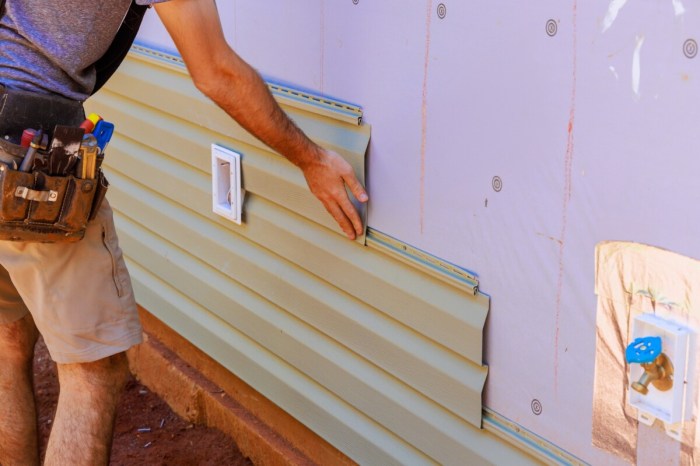
When it comes to siding panels, there are several visual cues that can indicate the need for replacement. These signs are crucial in maintaining the integrity and appearance of your home's exterior.Weather conditions play a significant role in the wear and tear of siding panels.
Exposure to harsh elements such as rain, snow, and UV rays can cause the panels to deteriorate over time. If you notice signs of warping, cracking, or peeling on your siding panels, it may be time to consider replacement.Another factor to consider is the age of the siding panels.
As siding panels age, they become more prone to damage and may lose their effectiveness in protecting your home. If your siding panels are nearing the end of their expected lifespan, it's important to inspect them regularly for signs of wear and tear.
Visual Signs of Damage
- Cracks or gaps in the panels
- Warped or buckled siding
- Fading or discoloration
- Mold or mildew growth
Preparation for Siding Panel Replacement

Before starting a siding panel replacement project, it is important to gather the necessary tools and materials, prepare the area, and ensure safety measures are in place.
Tools and Materials Needed
- Siding panels
- Hammer
- Nails
- Tape measure
- Utility knife
- Caulk gun
- Level
- Ladder
Preparing the Area
1. Remove any obstacles or furniture around the area where the siding panel replacement will take place.
2. Clean the area by removing dirt, debris, and any loose pieces of the old siding.
3. Measure and cut the new siding panel to fit the area properly, ensuring a precise and accurate fit.
4. Check the wall surface for any damage or rot that may need to be repaired before installing the new siding panel.
Safety Measures
- Wear appropriate safety gear such as gloves, goggles, and a dust mask to protect yourself from debris and sharp objects.
- Use a sturdy ladder and make sure it is placed on a stable surface to prevent falls or accidents.
- Be cautious when using tools such as hammers and utility knives to avoid injuries.
- Work with a partner if possible to ensure assistance in case of any emergencies.
Siding Panel Replacement Process
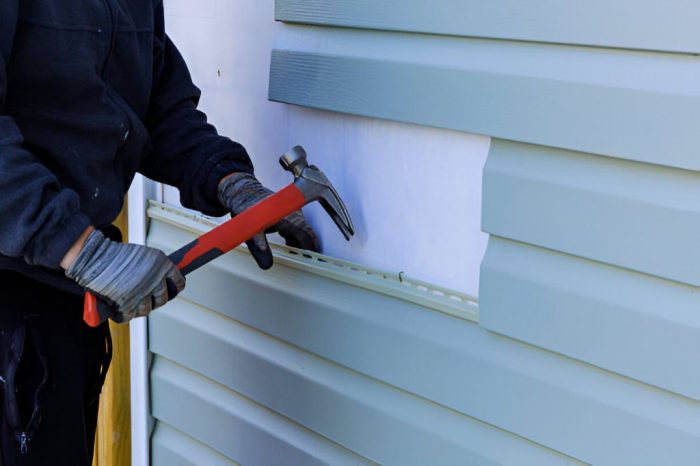
When it comes to replacing siding panels, there are specific steps that need to be followed to ensure a successful outcome. This process involves removing old siding panels, measuring and cutting new panels, and securing and finishing the installation.
Removing Old Siding Panels
- Start by carefully removing the trim pieces around the siding panels using a pry bar.
- Use a siding removal tool to detach the old panels from the wall, starting from the top and working your way down.
- Inspect the underlying sheathing for any damage and make necessary repairs before installing new panels.
Measuring and Cutting New Siding Panels
- Take accurate measurements of the area where the new siding panels will be installed to ensure a perfect fit.
- Transfer these measurements to the new siding panels and use a circular saw or snips to cut them to the correct size.
- Make sure to wear appropriate safety gear when cutting the siding panels.
Securing and Finishing Newly Replaced Siding Panels
- Once the new siding panels are cut to size, position them on the wall and secure them using nails or screws.
- Ensure that the panels are properly aligned and level during the installation process.
- Finally, add trim pieces around the edges of the panels to provide a finished look and seal any gaps to prevent water infiltration.
Last Point
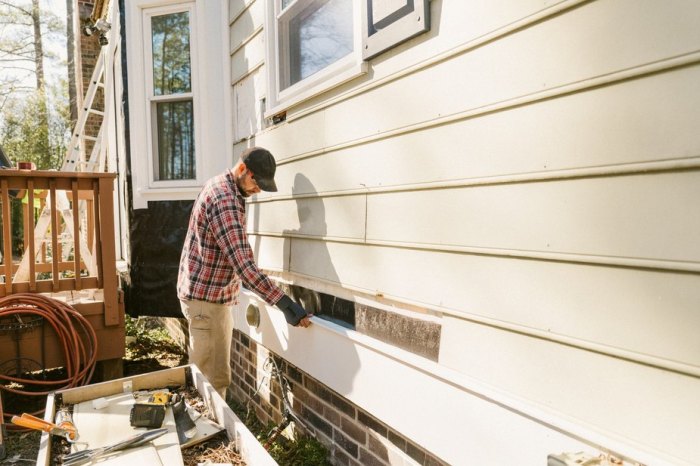
In conclusion, siding panel replacement is a crucial aspect of home maintenance that should not be overlooked. By staying informed and proactive, you can ensure the longevity and aesthetic appeal of your property. Take charge of your home's exterior with the knowledge gained from this guide.
Common Queries
What are the common reasons for siding panel replacement?
Common reasons include damage from weather conditions, age-related wear and tear, and structural issues.
How can I identify visual signs that suggest siding panels need replacement?
Look for cracks, warping, discoloration, or mold growth on your siding panels as indicators of potential replacement needs.
What safety measures should be taken before starting the replacement process?
Ensure you have proper protective gear, work in a well-ventilated area, and follow manufacturer guidelines for handling materials.