
Embarking on a journey to enhance your home's exterior, this comprehensive guide delves into the world of exterior siding repair. From understanding the importance of maintaining your siding to exploring different repair options, this article covers it all.
As we dive deeper into the different aspects of exterior siding repair, you'll gain valuable insights into how to keep your home looking its best.
Importance of Exterior Siding Repair
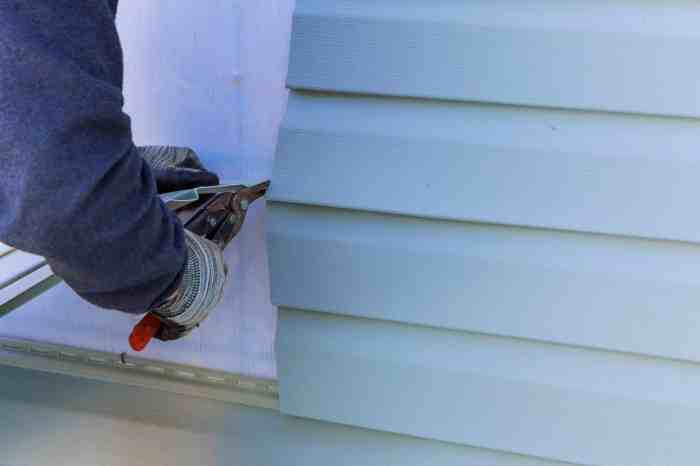
Maintaining the exterior siding of a home is crucial for its overall health and longevity. Damaged siding can lead to a variety of issues, including water infiltration and mold growth, which can compromise the structural integrity of the house. It is essential to address any siding problems promptly to prevent further damage and maintain the curb appeal of the property.
Common Siding Problems Requiring Repairs
- Cracks and Gaps: These allow moisture to seep behind the siding, leading to water damage and mold growth.
- Rotting or Warping: Indicates water damage and can compromise the stability of the siding.
- Fading or Peeling Paint: Not only affects the aesthetic appeal but also leaves the siding vulnerable to the elements.
- Holes or Punctures: Can provide entry points for pests and insects, causing further damage.
Types of Exterior Siding Materials
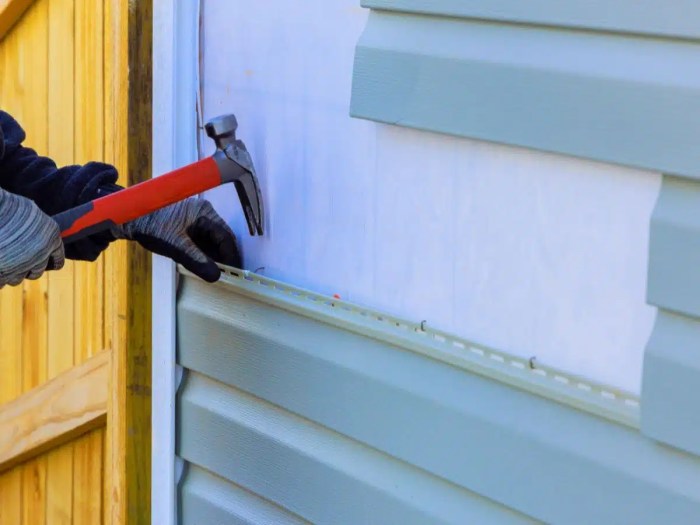
When it comes to exterior siding materials, there are several options available, each with its own set of benefits and considerations. Let's explore the most common types of siding materials and their characteristics.
Vinyl Siding
- Vinyl siding is a popular choice due to its affordability and low maintenance requirements.
- It is durable, resistant to rot, and comes in a variety of colors and styles.
- However, vinyl siding can crack or fade over time, and some homeowners may find it less aesthetically appealing than other materials.
Wood Siding
- Wood siding offers a classic, natural look that can enhance the curb appeal of a home.
- It is versatile and can be painted or stained in various shades.
- However, wood siding requires regular maintenance, such as painting or staining, to prevent rot and insect damage.
Fiber Cement Siding
- Fiber cement siding is a durable and low-maintenance option that mimics the look of wood or stucco.
- It is resistant to fire, rot, and pests, making it a long-lasting choice for homeowners.
- Although fiber cement siding may be more expensive upfront, it can save money on maintenance and repairs in the long run.
Metal Siding
- Metal siding, such as aluminum or steel, is known for its durability and resistance to extreme weather conditions.
- It is lightweight, easy to install, and can be painted in various colors.
- However, metal siding may dent or scratch easily, and some homeowners may prefer the look of other materials.
Factors to Consider
- Climate: Choose a siding material that can withstand the weather conditions in your area.
- Budget: Consider the initial cost and long-term maintenance expenses of each siding material.
- Aesthetic Preferences: Select a siding material that complements the architectural style of your home and meets your design preferences.
- Maintenance Requirements: Evaluate the time and effort needed to maintain the siding material over the years.
Signs of Exterior Siding Damage
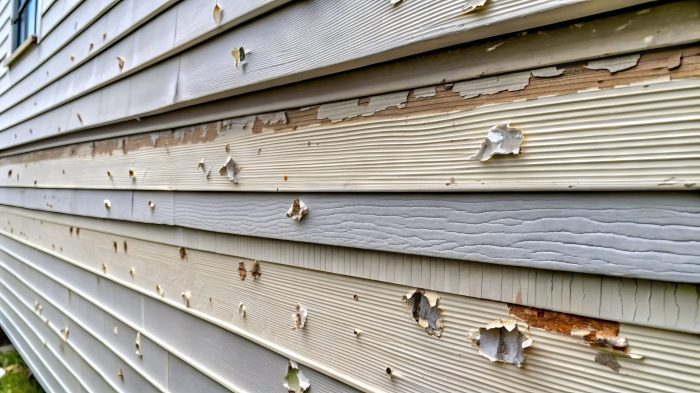
Identifying signs of exterior siding damage is crucial for maintaining the integrity and aesthetics of your home. From cracks and warping to discoloration and peeling paint, here are some key indicators to look out for.
Visible Signs of Siding Damage
- Cracks: Check for any visible cracks on the surface of your siding, as they can indicate structural issues.
- Warping: Warped or buckling siding is a clear sign of water damage and should be addressed promptly.
- Discoloration: Discoloration on your siding can be a sign of mold or mildew growth, which needs immediate attention.
- Peeling Paint: If the paint on your siding is peeling, it could be due to moisture infiltration, leading to potential damage.
Inspecting for Hidden Damage
- Rot: Probe the siding with a screwdriver to check for any soft spots, which could indicate rotting wood underneath.
- Moisture Issues: Look for signs of moisture underneath the siding, such as mold, mildew, or a musty odor, which could signal water infiltration.
When to Seek Professional Help
- If you notice any of the above signs of siding damage, it is advisable to seek professional help to assess the extent of the damage.
- A professional can provide a thorough inspection, identify hidden issues, and recommend the best course of action to repair or replace the damaged siding.
DIY vs. Professional Repair
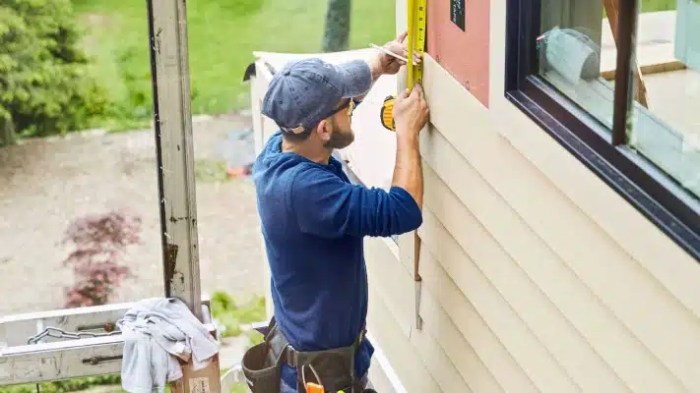
When it comes to exterior siding repair, homeowners often find themselves debating whether to tackle the project themselves or hire a professional contractor. Let's explore the pros and cons of each option to help you make an informed decision.
Simple DIY Repair Tasks
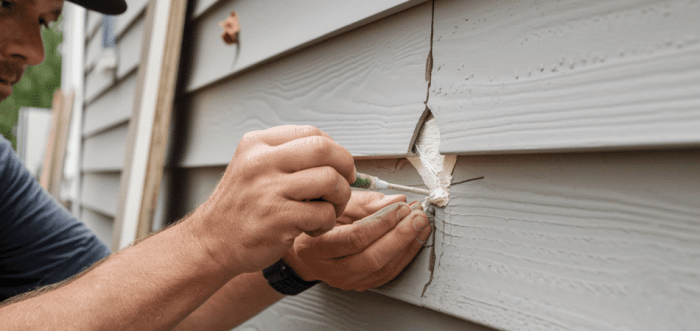
For minor siding damage such as small cracks, loose panels, or chipped paint, homeowners can often handle the repairs themselves. Simple DIY tasks may include filling in cracks with caulk, reattaching loose panels with nails or screws, or repainting small areas.
These tasks are relatively easy and can save you money in the long run.
Benefits of Hiring a Professional Contractor
When it comes to complex or extensive siding repairs, it's best to leave the job to the professionals. Professional contractors have the experience, knowledge, and tools to handle more significant damage effectively. They can identify underlying issues, provide long-lasting solutions, and ensure that the repair work is done correctly.
Hiring a professional can also save you time and hassle, as they can complete the project efficiently.
Cost Comparison
While DIY repairs may seem cost-effective upfront, hiring a professional contractor can actually save you money in the long term. DIY projects often require purchasing tools, materials, and equipment, which can add up quickly. Additionally, if the repair is not done correctly the first time, you may end up spending more money to fix any mistakes.
On the other hand, professional contractors have access to quality materials at discounted rates, and their work is typically guaranteed. It's essential to weigh the cost of DIY repairs against the value of hiring a professional for your siding repair projects.
Steps for Exterior Siding Repair
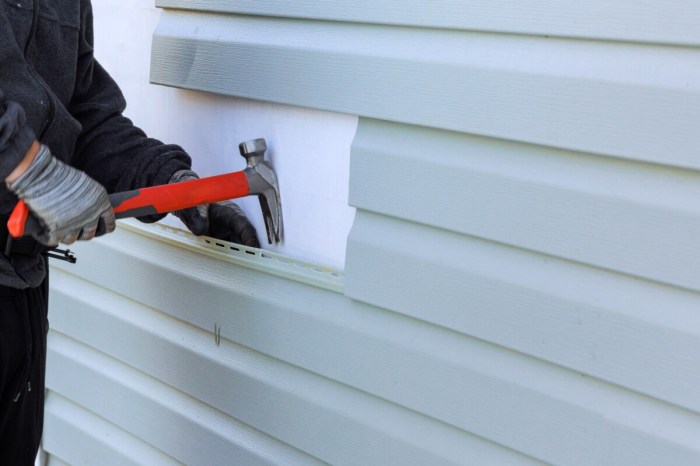
Repairing common siding issues like cracks or loose panels is essential to maintain the structural integrity and aesthetic appeal of your home. Follow these detailed step-by-step guide for a successful siding repair project, ensuring the longevity of your exterior siding.
Safety Precautions and Tools Needed
Before starting any siding repair project, ensure your safety by wearing protective gear such as gloves, safety goggles, and a dust mask. Make sure to use a sturdy ladder if working at heights. The tools you will need for siding repair include a hammer, nails, pry bar, caulk gun, siding clips, circular saw, and replacement siding panels.
Repairing Cracks in Exterior Siding
- Inspect the damaged area and remove any loose debris or old caulk.
- Apply a bead of caulk along the crack to seal it and prevent moisture penetration.
- Secure the siding panel in place with nails or siding clips.
- Paint over the repaired area to blend it with the rest of the siding.
Fixing Loose Siding Panels
- Remove the nails holding the loose panel in place using a pry bar.
- Reposition the panel and secure it with new nails or screws.
- Apply a fresh bead of caulk around the edges of the panel for added protection.
Post-Repair Maintenance Tips
After completing the siding repair, it is essential to perform regular maintenance to ensure the longevity of your repaired siding. Inspect the siding periodically for any signs of damage or wear and tear. Clean the siding with a mild detergent and water to prevent mold or mildew growth.
Trim any nearby trees or bushes that could damage the siding and repaint the siding as needed to maintain its appearance.
Environmental Impact of Siding Repair
When it comes to repairing or replacing damaged siding, it's important to consider the environmental impact of your choices. By opting for eco-friendly options and sustainable materials, you can minimize the negative effects on the environment and even contribute to a greener planet.
Eco-Friendly Siding Materials
- Consider using recycled or reclaimed wood for siding repair or replacement. This not only reduces the demand for new materials but also gives a second life to existing resources.
- Choose fiber cement siding, which is made from a combination of cement, sand, and cellulose fibers. This durable material is long-lasting and minimizes waste.
- Explore metal siding options like aluminum or steel, which are recyclable and can be repurposed at the end of their lifespan.
Sustainability of Siding Materials
- Fiber cement siding is known for its longevity and low maintenance requirements, reducing the need for frequent repairs and replacements.
- Wood siding, when sourced from sustainable forests or reclaimed sources, can be a renewable and eco-friendly option for siding repair.
- Vinyl siding, while commonly used, may pose environmental concerns due to its manufacturing process and disposal challenges.
Recycling Old Siding Materials
- Before starting the repair or replacement process, consider salvaging any reusable parts of the old siding to reduce waste.
- Contact local recycling facilities or programs to inquire about recycling options for old siding materials, such as vinyl or metal.
- By recycling old siding materials, you can help prevent them from ending up in landfills and minimize the environmental impact of your siding repair project.
Last Word
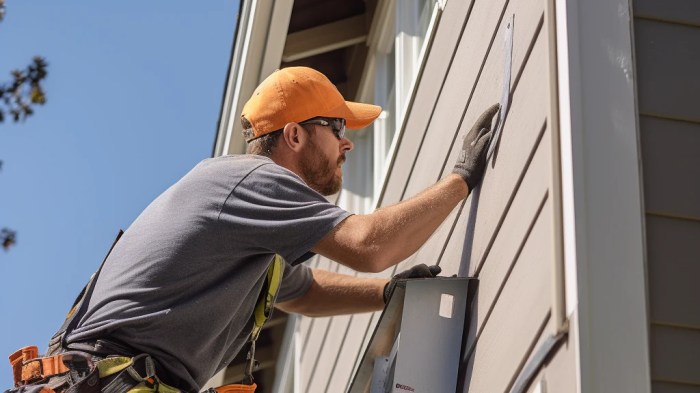
In conclusion, exterior siding repair is not just about aesthetics but also about preserving the integrity of your home. By addressing siding issues promptly and effectively, you can ensure a safe and beautiful living space for years to come.
Query Resolution
What are the common signs of exterior siding damage?
Common signs include cracks, warping, discoloration, and peeling paint.
When should I seek professional help for exterior siding repair?
If you notice extensive damage, hidden issues like rot, or feel unsure about handling the repairs yourself.
Is DIY exterior siding repair cost-effective?
DIY repairs can be cost-effective for minor issues, but for complex repairs, hiring a professional may be more beneficial.