
Vinyl siding restoration is more than just a home improvement project; it's a transformative journey that can breathe new life into your property. From weather-worn surfaces to enhancing curb appeal, this comprehensive guide covers everything you need to know about restoring vinyl siding with precision and care.
As we delve into the intricacies of preparation, cleaning techniques, repairs, and maintenance, you'll uncover the secrets to achieving a flawless finish that will stand the test of time.
Importance of Vinyl Siding Restoration
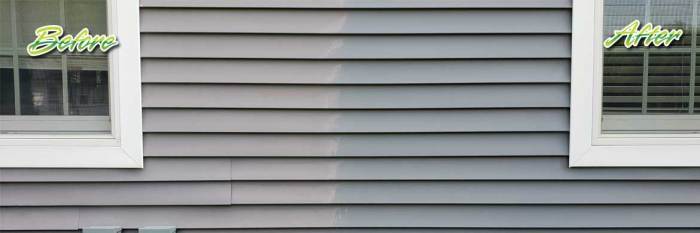
Restoring vinyl siding is crucial for maintaining the appearance and integrity of your home. Here are some key reasons why vinyl siding restoration is important:
Benefits of Restoring Vinyl Siding
- Enhanced Durability: Over time, vinyl siding can become worn out and damaged due to exposure to harsh weather conditions. Restoring the siding can help reinforce its durability and prolong its lifespan.
- Improved Aesthetic Appeal: Faded or discolored vinyl siding can detract from the overall curb appeal of your home. By restoring the siding, you can give your home a fresh and vibrant look, increasing its attractiveness and value.
- Cost-Effective Solution: Restoring vinyl siding is a cost-effective alternative to replacing it entirely. It can help save you money while still providing the necessary repairs and improvements to your home's exterior.
Impact of Weather and Time on Vinyl Siding
Vinyl siding is constantly exposed to the elements, including sunlight, rain, snow, and wind. Over time, this exposure can cause the siding to fade, warp, crack, or develop mildew. Regular maintenance and restoration can help combat these effects and keep your siding looking like new.
Restoration for Improved Curb Appeal
The exterior of your home plays a significant role in its overall curb appeal. Restoring your vinyl siding can instantly refresh the look of your home, making it more attractive and appealing to visitors, potential buyers, and even yourself. It's a simple yet effective way to enhance the aesthetic appeal of your property.
Preparation for Vinyl Siding Restoration
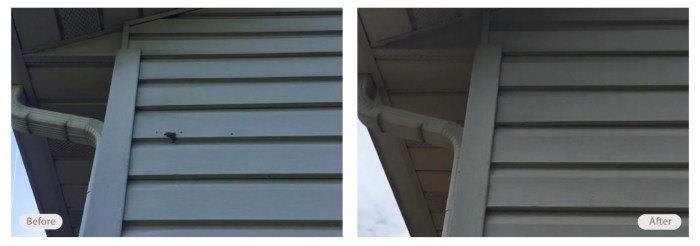
Before starting the restoration process, it is crucial to properly prepare the surface to ensure a successful outcome. This involves cleaning, repairing, and priming the vinyl siding to create a smooth and durable finish.
Steps for Preparing the Surface
- Inspect the siding for any damage, such as cracks, holes, or loose panels, and make necessary repairs.
- Thoroughly clean the siding with a mixture of water and mild detergent to remove dirt, mold, and other contaminants.
- Rinse the siding with clean water and allow it to dry completely before proceeding to the next step.
- If there are any areas with chalking or peeling paint, sand them down to create a smooth surface for better adhesion.
- Apply a primer specifically designed for vinyl siding to ensure proper adhesion of the paint and improve durability.
Tools and Materials Needed for Restoration
- Bucket
- Mild detergent
- Water hose
- Sandpaper
- Primer for vinyl siding
- Paintbrushes or rollers
- Protective gear (gloves, goggles, mask)
Safety Precautions During Preparation
- Wear appropriate protective gear, such as gloves, goggles, and a mask, to avoid contact with chemicals or debris.
- Avoid working on a windy day to prevent dust and debris from spreading and causing potential harm.
- Use caution when working on ladders or elevated surfaces to prevent falls or injuries.
- Ensure proper ventilation when using cleaning agents or primers to avoid inhaling harmful fumes.
Cleaning Techniques for Vinyl Siding
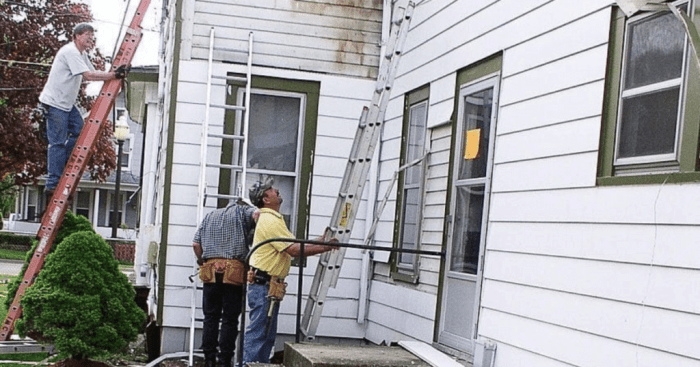
Vinyl siding can accumulate dirt, mold, and mildew over time, impacting the appearance of your home. Here, we will explore different cleaning methods for vinyl siding and provide tips on effectively removing these unwanted elements.
Pressure Washing
- Pressure washing is a popular method for cleaning vinyl siding as it can effectively remove dirt and grime.
- Ensure to use a low-pressure setting to prevent damage to the siding and maintain a safe distance while washing.
- Consider adding a cleaning solution to the water to enhance the cleaning process.
Vinegar Solution
- A mixture of water and vinegar can be an effective natural solution for removing mold and mildew from vinyl siding.
- Apply the solution with a soft brush or cloth, scrubbing gently to avoid damaging the siding.
- Rinse the siding thoroughly with water after applying the vinegar solution.
Commercial Cleaners
- There are specific commercial cleaners available that are designed for cleaning vinyl siding.
- Follow the manufacturer's instructions carefully when using these cleaners to ensure safe and effective results.
- Always test a small, inconspicuous area first to check for any adverse reactions before applying the cleaner to the entire siding.
Importance of Using the Right Cleaning Solutions
- Using the right cleaning solutions for vinyl siding is crucial to prevent damage and achieve optimal results.
- Harsh chemicals or abrasive materials can cause discoloration, fading, or even permanent damage to the siding.
- Always choose gentle yet effective cleaning solutions that are suitable for vinyl surfaces.
Repairing Damaged Vinyl Siding
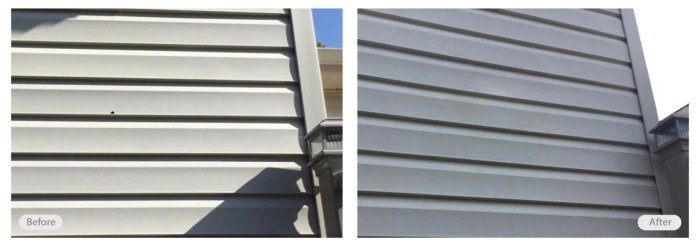
When it comes to repairing damaged vinyl siding, it is important to first identify common issues such as cracks, chips, or warping. Once you have pinpointed the problem areas, you can take the necessary steps to restore the siding to its former glory.
Identifying Common Issues
- Cracks: Inspect the siding for any visible cracks, which can occur due to age or impact damage.
- Chips: Look for areas where the vinyl has chipped off, exposing the underlying material.
- Warping: Check for sections of the siding that have warped or buckled, often caused by exposure to extreme weather conditions.
Steps for Repairing Damaged Sections
- Clean the damaged area thoroughly to remove any dirt or debris that could interfere with the repair process.
- Apply a vinyl siding repair kit, which typically includes patching material and adhesive specifically designed for vinyl siding.
- Follow the manufacturer's instructions carefully to ensure a proper and long-lasting repair.
Matching Colors and Textures
- When replacing damaged siding, it is crucial to match the colors and textures of the existing siding to maintain a cohesive look.
- Take a sample of the damaged siding to a home improvement store to find the closest match in color and texture.
- If an exact match is not available, consider replacing a larger section of siding to create a more seamless transition.
Painting vs. Restoring Vinyl Siding
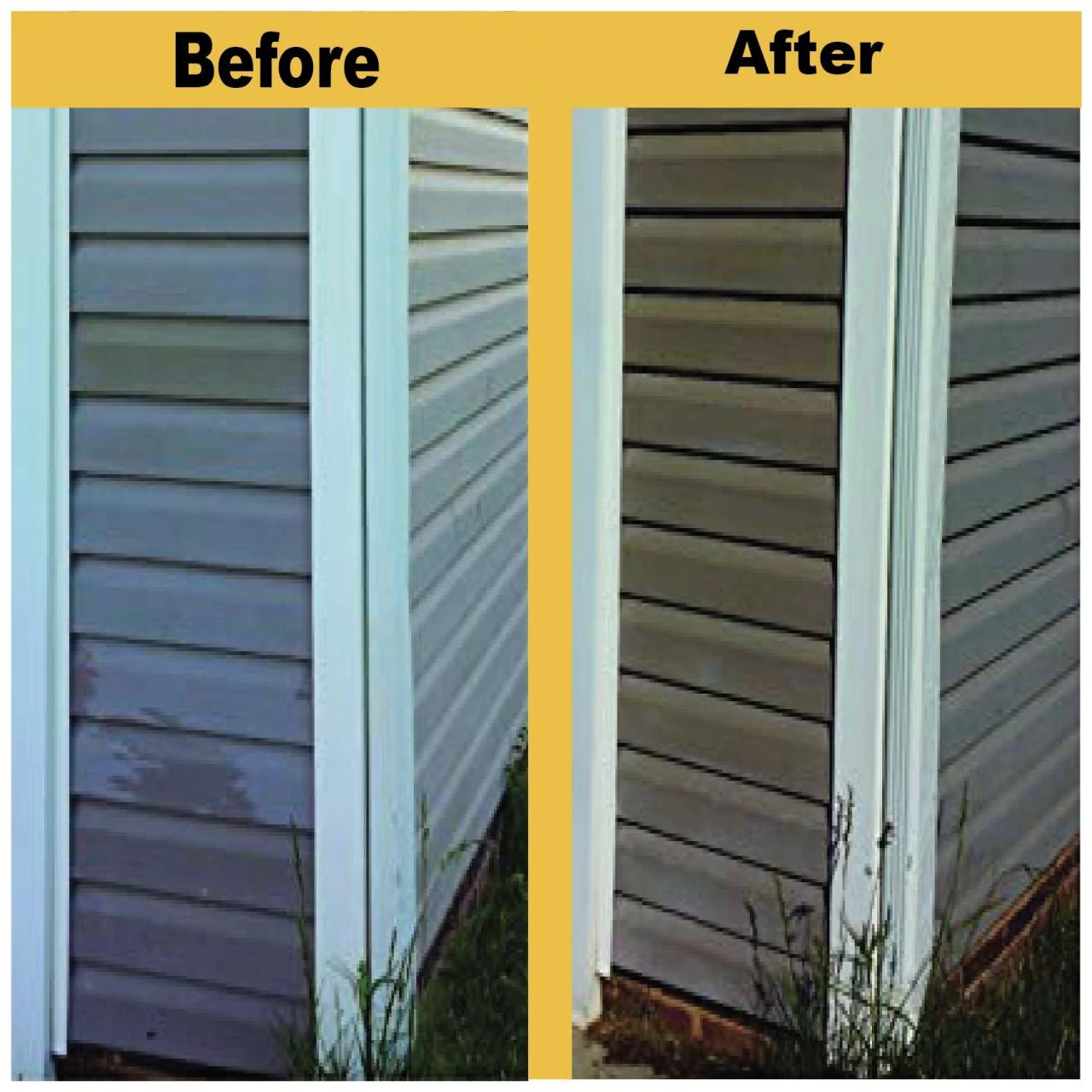
When it comes to rejuvenating the appearance of your vinyl siding, you may be torn between painting and restoring. Each option has its own set of pros and cons, along with considerations for longevity and maintenance. Let's delve into the differences between painting and restoring vinyl siding and provide guidelines for making an informed decision.
Pros and Cons of Painting vs. Restoring Vinyl Siding
- Painting:
- Pros:
- Provides a fresh, updated look to your home.
- Allows for a wide range of color choices to match your aesthetic preferences.
- Can help cover up imperfections and discoloration in the siding.
- Cons:
- Requires regular maintenance and repainting every few years.
- May peel, crack, or chip over time, leading to the need for touch-ups.
- Can be more costly and time-consuming compared to restoration.
- Pros:
- Restoring:
- Pros:
- Preserves the original texture and finish of the vinyl siding.
- Extends the lifespan of the siding by addressing underlying issues.
- Requires minimal maintenance once the restoration process is complete.
- Cons:
- May not provide as dramatic of a transformation as painting.
- Limited color options compared to painting.
- Initial restoration costs may be higher than painting.
- Pros:
Longevity and Maintenance Considerations
When deciding between painting and restoring vinyl siding, it's essential to consider the long-term implications and maintenance requirements of each option. Painting may offer immediate visual impact but will require ongoing upkeep, while restoration focuses on enhancing the siding's durability and reducing the need for frequent maintenance.
Guidelines for Deciding Whether to Paint or Restore Vinyl Siding
Consider the age and condition of your vinyl siding, your budget, desired aesthetic outcome, and long-term maintenance preferences when choosing between painting and restoring.
Finishing and Protecting Restored Vinyl Siding
After restoring your vinyl siding, it is crucial to finish and protect it properly to ensure its longevity and appearance. Applying protective coatings or sealants can help safeguard the siding from external elements and maintain its fresh look over time.
Steps for Finishing Restored Vinyl Siding
- Clean the surface thoroughly to remove any dirt or debris.
- Allow the siding to dry completely before applying any finishing products.
- Choose a high-quality paint or finishing product specifically designed for vinyl siding.
- Apply the finishing product evenly using a brush, roller, or sprayer.
- Follow the manufacturer's instructions for drying and curing times.
Importance of Applying Protective Coatings or Sealants
- Protective coatings or sealants act as a barrier against moisture, UV rays, and other damaging elements.
- They can help prevent fading, cracking, or warping of the vinyl siding.
- Applying these products can extend the lifespan of the siding and reduce the need for frequent maintenance.
Tips for Maintaining Restored Vinyl Siding's Appearance
- Regularly clean the siding with a mild detergent and water to remove dirt and grime.
- Avoid using abrasive cleaners or tools that could damage the finish.
- Inspect the siding periodically for any signs of wear or damage and address them promptly.
- Reapply protective coatings or sealants as needed to maintain the siding's protective barrier.
- Avoid prolonged exposure to harsh sunlight or extreme weather conditions to preserve the finish of the siding.
Concluding Remarks
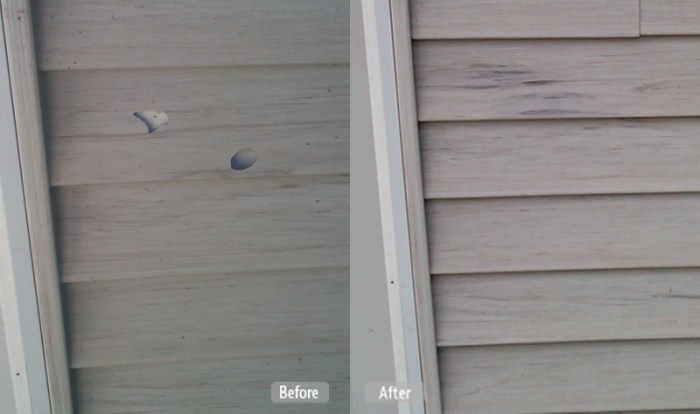
In conclusion, vinyl siding restoration is a rewarding endeavor that not only enhances the aesthetic appeal of your home but also prolongs the lifespan of your siding. By following the guidelines Artikeld in this guide, you can embark on your restoration journey with confidence and achieve remarkable results that will leave your home looking brand new.
FAQ Overview
How often should vinyl siding be restored?
It is recommended to restore vinyl siding every 5-7 years to maintain its appearance and structural integrity.
Can I paint over restored vinyl siding?
It is not advisable to paint over restored vinyl siding as it can compromise the integrity of the restoration work.
What safety precautions should I take during vinyl siding restoration?
Ensure proper ventilation when using cleaning solutions and wear protective gear such as gloves and goggles to prevent skin and eye irritation.
How can I prevent mold and mildew buildup on restored vinyl siding?
Regularly clean the siding with a mild detergent and water solution to prevent the growth of mold and mildew.
Is it necessary to match colors and textures when replacing damaged siding?
Yes, matching colors and textures is essential to maintain a seamless appearance across the siding of your home.