
Embark on a journey to enhance your home with our comprehensive guide to home exterior replacement. From boosting curb appeal to increasing property value, we delve into the key aspects of revamping your home's exterior.
Discover the different types of projects, factors to consider before starting, and a step-by-step guide to ensure a successful replacement project.
Importance of Home Exterior Replacement
When it comes to maintaining a home, the exterior plays a crucial role in protecting the structure from the elements and preserving its overall integrity. Over time, wear and tear can take a toll on the exterior, leading to a range of issues that may compromise the safety and aesthetics of the property.
Benefits of Upgrading the Home's Exterior
- Enhanced Protection: By replacing the exterior components such as siding, windows, and doors, you can improve the insulation and weatherproofing of your home, keeping it safe from water damage, pests, and other external threats.
- Improved Energy Efficiency: Upgrading to energy-efficient materials can help reduce heating and cooling costs, making your home more environmentally friendly and cost-effective in the long run.
- Enhanced Curb Appeal: A fresh and modern exterior can significantly boost the curb appeal of your home, creating a positive first impression for visitors and potential buyers.
- Increased Property Value: Investing in high-quality exterior replacements can increase the overall value of your home, making it more attractive to buyers and potentially leading to a higher resale value.
Types of Home Exterior Replacement Projects
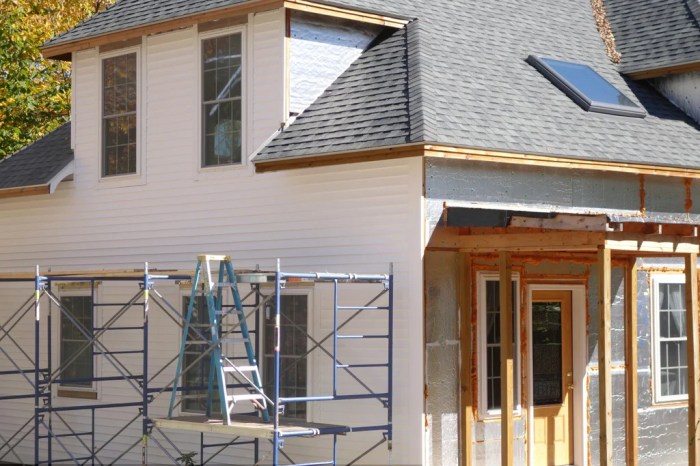
When it comes to home exterior replacement projects, there are several common types that homeowners often consider. Each type of replacement serves a specific purpose and comes with its own set of materials and techniques. Let's explore some of the most popular options:
Siding Replacement
Siding replacement involves removing and replacing the exterior cladding of a home. Common materials used for siding replacement include vinyl, fiber cement, wood, and metal. Each material offers different levels of durability, maintenance requirements, and aesthetic appeal.
Roofing Replacement
Roofing replacement is essential for protecting the home from the elements. Asphalt shingles, metal roofing, clay tiles, and wood shakes are among the materials used for roofing replacement. The choice of material depends on factors such as climate, budget, and desired lifespan.
Window Replacement
Window replacement can improve energy efficiency and enhance the curb appeal of a home. Common materials for window replacement include vinyl, wood, aluminum, and fiberglass. Each material has its own advantages in terms of insulation, durability, and maintenance.
Door Replacement
Replacing doors can enhance security, aesthetics, and energy efficiency. Materials such as wood, fiberglass, steel, and aluminum are commonly used for door replacement. The choice of material depends on factors like durability, maintenance, and style preferences.
Deck Replacement
Deck replacement involves upgrading or replacing the outdoor deck space. Materials like wood, composite, PVC, and aluminum are popular choices for deck replacement. Each material offers different levels of durability, maintenance, and aesthetics.
Factors to Consider Before Starting a Home Exterior Replacement Project
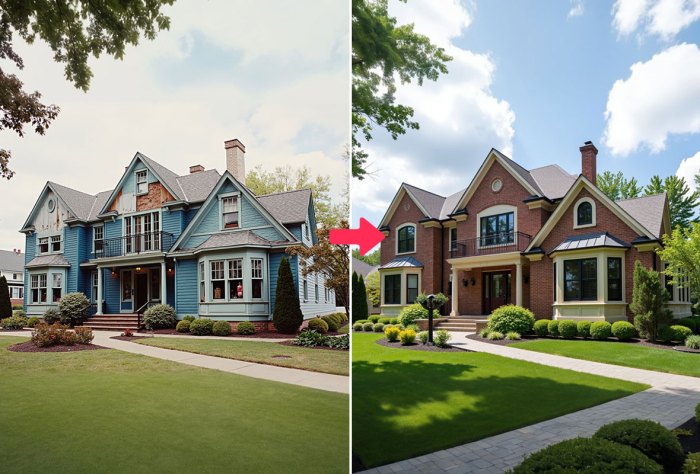
Before diving into a home exterior replacement project, there are several important factors that homeowners should carefully consider. From budgeting considerations to selecting the right contractors, proper planning is key to a successful project.
Budgeting Considerations
When planning for a home exterior replacement project, it is crucial to establish a realistic budget. Consider the costs involved in materials, labor, permits, and any unexpected expenses that may arise during the project. It's advisable to set aside a contingency fund to cover any unforeseen costs and prevent budget overruns.
Planning for Costs
Before starting the project, homeowners should obtain multiple quotes from different contractors to compare prices and services. It's essential to ensure that the quote includes all aspects of the project, from materials to labor costs, to avoid any surprises later on.
Additionally, consider the long-term savings that energy-efficient materials can provide, as they may help offset initial costs over time.
Selecting the Right Contractors
Choosing the right contractor is crucial for the success of a home exterior replacement project. Look for contractors with experience in similar projects, proper licensing and insurance, and positive reviews from past clients. It's also important to get everything in writing, including a detailed contract outlining the scope of work, timeline, and payment schedule.
Don't hesitate to ask for references and follow up with them to ensure the contractor's reliability and quality of work.
Step-by-Step Guide for Home Exterior Replacement
When embarking on a home exterior replacement project, it is crucial to follow a systematic approach to ensure a successful outcome. This step-by-step guide will Artikel the key stages involved in replacing the exterior of your home.
Assessing the Current Condition of the Exterior
Before starting any replacement project, thoroughly inspect the current condition of your home's exterior. Look for signs of damage, wear and tear, or any areas that require immediate attention. This assessment will help you determine the scope of the replacement project and identify the areas that need to be addressed.
- Inspect the siding, roofing, windows, doors, and any other exterior elements.
- Note down any areas that require repair or replacement.
- Consider the overall aesthetic appeal and functionality of the current exterior.
Planning and Designing the Replacement
After assessing the current condition, it is essential to plan and design the replacement project. This stage involves deciding on the materials, colors, and design elements that will be used for the new exterior. It is also important to consider any architectural guidelines or restrictions that may apply to your property.
- Consult with a professional contractor or designer to create a comprehensive plan.
- Select high-quality materials that are durable and suitable for your climate.
- Ensure that the design complements the style of your home and enhances its curb appeal.
Obtaining Permits and Permissions
Depending on the scope of the replacement project and local regulations, you may need to obtain permits or permissions before starting the work. It is essential to check with your local authorities and homeowners' association to ensure compliance with building codes and regulations.
- Submit the necessary permit applications and documentation.
- Follow any guidelines or restrictions set by the local authorities.
- Keep records of all permits and approvals for future reference.
Executing the Replacement Project
Once you have completed the planning and obtained the necessary permits, it is time to execute the replacement project. This stage involves removing the old exterior elements, installing the new materials, and ensuring that the work is done according to the design plan and quality standards.
- Hire a reputable contractor with experience in home exterior replacement.
- Monitor the progress of the project and address any issues promptly.
- Ensure that the installation is done correctly to prevent future problems.
Completing the Finishing Touches
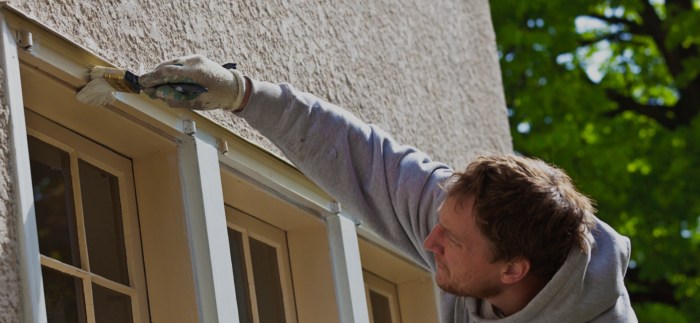
After the new exterior has been installed, it is important to complete the finishing touches to enhance the overall look and functionality of your home. This stage may involve painting, sealing, or landscaping to create a cohesive and polished appearance.
- Apply a fresh coat of paint or sealant to protect the new exterior materials.
- Add landscaping elements to enhance the curb appeal of your home.
- Inspect the completed project to ensure that everything meets your expectations.
Final Summary
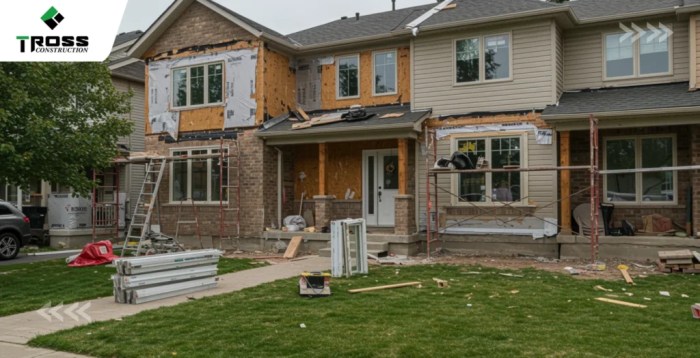
In conclusion, upgrading your home's exterior not only transforms its appearance but also adds value. With our guide, you're equipped to make informed decisions and embark on a seamless home exterior replacement journey.
FAQ Guide
Why is home exterior replacement important?
Home exterior replacement is crucial as it enhances the aesthetics, protects against elements, and boosts property value.
What are common types of home exterior replacement projects?
Common projects include siding, roofing, windows, and doors, each with unique materials and benefits.
How can homeowners select the right contractors for the job?
Homeowners should research, ask for referrals, check reviews, and ensure contractors are licensed and insured.