
Delve into the world of energy efficient vinyl siding with this captivating introduction that sheds light on its cost-saving features and environmental advantages. Get ready to explore a topic that not only enhances insulation but also reduces energy costs, all while being durable and long-lasting.
Moving forward, let's dive into the key features, installation techniques, and cost considerations of energy efficient vinyl siding.
Benefits of Energy-Efficient Vinyl Siding
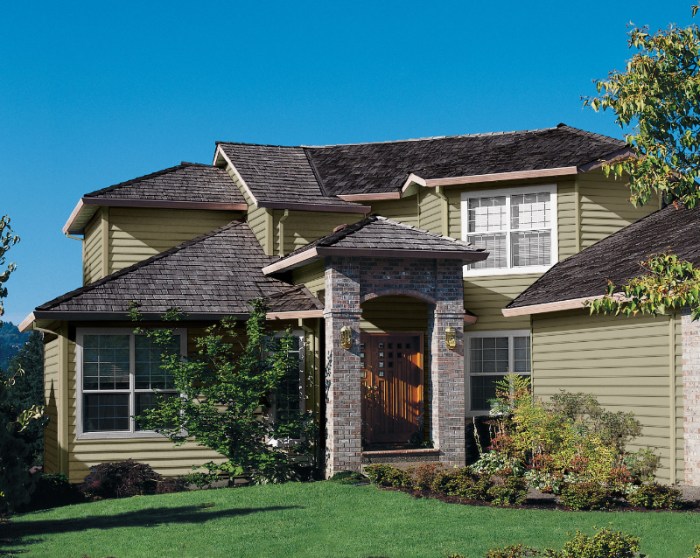
Energy-efficient vinyl siding offers numerous advantages for homeowners, not only in terms of cost savings but also in promoting sustainability and enhancing the comfort of living spaces.
Reduced Energy Costs
Energy-efficient vinyl siding acts as a barrier against heat loss during the winter and heat gain during the summer. By improving the insulation of a home, it helps regulate indoor temperatures more effectively, reducing the need for excessive heating or cooling.
This, in turn, leads to lower energy consumption and decreased utility bills for homeowners.
Environmental Benefits
The use of energy-efficient vinyl siding contributes to environmental conservation by lowering the overall energy demand of a household. As less energy is required to maintain a comfortable indoor climate, the carbon footprint associated with heating and cooling is reduced.
Additionally, some vinyl siding products are made from recycled materials, further minimizing environmental impact.
Enhanced Insulation
Energy-efficient vinyl siding enhances the insulation properties of a home, creating a more airtight seal around the exterior. This improved insulation not only leads to energy savings but also enhances the overall comfort within the living space. By reducing drafts and maintaining consistent indoor temperatures, homeowners can enjoy a more pleasant and cozy environment throughout the year.
Features of Energy-Efficient Vinyl Siding
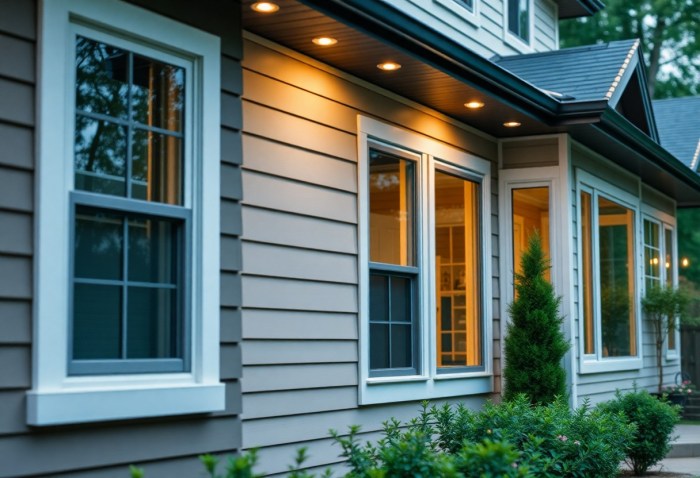
Vinyl siding is known for its energy-efficient properties, offering a range of features that contribute to a more sustainable and cost-effective home exterior solution.
Insulation Properties
Vinyl siding is designed to provide excellent insulation for homes, helping to regulate indoor temperatures and reduce energy consumption. The insulated backing of energy-efficient vinyl siding can help maintain a comfortable environment inside the house throughout the year.
Durability and Longevity
One of the key features of energy-efficient vinyl siding is its durability. This type of siding is resistant to harsh weather conditions, such as wind, rain, and snow, making it a long-lasting option for homeowners. With proper installation and maintenance, energy-efficient vinyl siding can protect your home for many years to come.
Resistance to Fading
Energy-efficient vinyl siding is designed to resist fading, ensuring that your home's exterior maintains its vibrant color and appearance over time. This feature helps enhance the curb appeal of your property and eliminates the need for frequent repainting or touch-ups.
Installation of Energy-Efficient Vinyl Siding
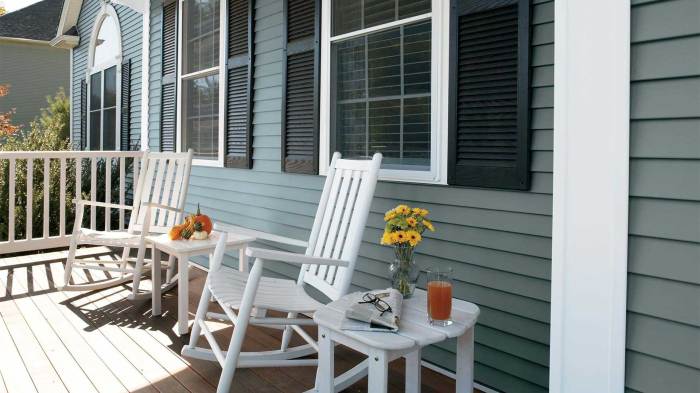
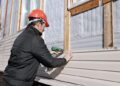
Installing energy-efficient vinyl siding is a crucial step in improving the insulation and overall energy efficiency of your home. Proper installation techniques not only ensure a durable finish but also maximize the benefits of energy savings. Hiring professionals for the installation can guarantee a precise and efficient process, although some homeowners may choose a DIY approach.
Here are some steps and tips to consider for the installation of energy-efficient vinyl siding:
Proper Installation Techniques
- Start by preparing the walls, ensuring they are clean, dry, and free of any debris or old siding.
- Measure and cut the vinyl siding panels accurately to fit the dimensions of your home, leaving room for expansion and contraction.
- Install a moisture barrier or insulation board to enhance the energy efficiency of the siding.
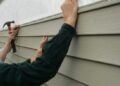
- Secure the panels properly, leaving space for ventilation and ensuring they are properly aligned and interlocked.
- Finish with trim pieces and accessories to complete the installation and enhance the overall look of the siding.
Importance of Hiring Professionals vs. DIY Installation
- Professionals have the experience and expertise to ensure a precise and efficient installation, reducing the risk of errors or damage.
- DIY installation may save costs, but it requires careful attention to detail and the use of proper tools to achieve a professional finish.
- Improper installation can lead to energy loss, water damage, or structural issues, emphasizing the importance of skilled professionals.
Tips for Maintaining Energy Efficiency During Installation
- Seal all seams and gaps properly to prevent air leaks and maintain insulation efficiency.
- Avoid overdriving nails or screws, as this can distort the siding and reduce its effectiveness.
- Consider adding additional insulation or a house wrap to further enhance the energy efficiency of the siding.
- Regularly inspect the siding for any signs of damage or wear and address them promptly to prevent energy loss.
Cost Considerations and Savings
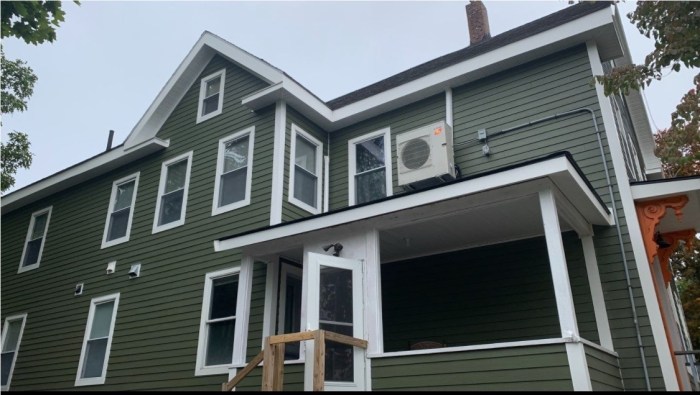
When considering energy-efficient vinyl siding, it's essential to look at both the initial cost and the long-term savings that can be achieved. Energy-efficient options may have a higher upfront cost, but the potential savings over time can make them a smart investment.
Initial Cost Comparison
Energy-efficient vinyl siding typically costs more than traditional siding options such as wood or aluminum. The higher initial cost is due to the advanced materials and technology used to improve energy efficiency. However, it's important to consider the long-term benefits and savings that can offset this initial expense.
Long-Term Savings on Energy Bills
One of the significant advantages of energy-efficient vinyl siding is the potential savings on energy bills. By providing better insulation and reducing heat loss, these siding options can help regulate indoor temperatures more effectively, leading to lower heating and cooling costs throughout the year.
Homeowners can expect to see a noticeable decrease in their energy expenses over time, making energy-efficient vinyl siding a cost-effective choice in the long run.
Available Incentives and Rebates
To encourage homeowners to choose energy-efficient options, there are often incentives and rebates available. These can vary depending on location and specific programs, but they can help offset the initial cost of upgrading to energy-efficient vinyl siding. By taking advantage of these incentives, homeowners can make the switch to more sustainable and cost-effective siding without breaking the bank.
Summary
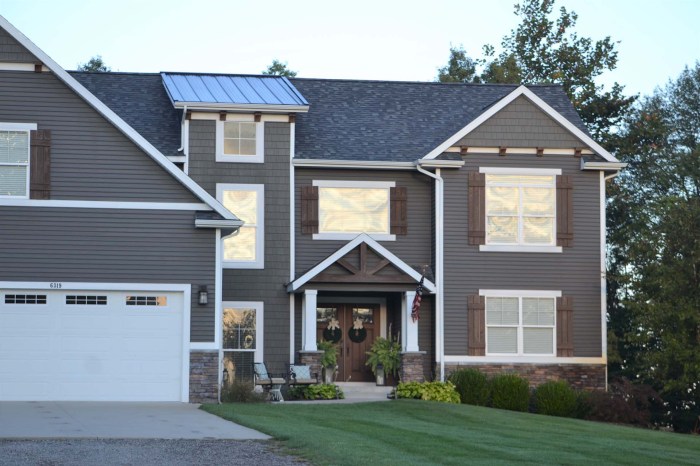
In conclusion, energy efficient vinyl siding emerges as a top choice for homeowners looking to save on energy bills, reduce their environmental impact, and enjoy a well-insulated home. With its durability, longevity, and cost-saving potential, it's a wise investment for any property.
User Queries
What are the environmental benefits of energy-efficient vinyl siding?
Energy-efficient vinyl siding helps reduce energy consumption, leading to a decrease in greenhouse gas emissions and overall environmental impact.
Is DIY installation of energy-efficient vinyl siding recommended?
While some may opt for a DIY approach, hiring professionals ensures proper installation techniques are followed, maximizing energy efficiency.
Are there any rebates available for choosing energy-efficient vinyl siding?
Depending on your location, there may be incentives or rebates offered for selecting energy-efficient options, which can further offset initial costs.